

In today’s technology-driven world, screens have become an essential part of everyday life. From smartphones and laptops to tablets and TVs, we spend hours every day connected to digital devices. While most people are aware of how excessive screen use affects the eyes and sleep cycle, fewer realize the growing concern around screen time and skin health. The invisible yet powerful blue light emitted from devices is now being linked to various skin issues, making it an important topic in modern skincare.
What is Blue Light?
Blue light, also known as High Energy Visible (HEV) light, is a part of the visible light spectrum. It is naturally emitted by the sun but is also produced artificially by digital devices such as smartphones, LED lights, and computer screens. While natural exposure to sunlight during the day helps regulate sleep-wake cycles, prolonged screen exposure has raised concerns about both eye and skin health.
Understanding the Link Between Screen Time and Skin
The relationship between screen time and skin is becoming increasingly relevant as research highlights the long-term effects of blue light exposure. Unlike UV rays, which primarily affect the outer layers of the skin, blue light penetrates more deeply into the skin, potentially causing oxidative stress.
Extended screen usage means continuous exposure to this light, especially at close range. Over time, this can contribute to various skin concerns, particularly when combined with environmental pollutants and poor skincare habits.
Blue Light Effects on Skin
The blue light effects on skin are subtle at first, but can become noticeable with prolonged exposure. Here are some of the key ways it impacts your skin:
1. Premature Aging
One of the most talked-about concerns is early aging. Blue light exposure can generate free radicals, which break down collagen and elastin, the proteins responsible for keeping skin firm and youthful. This leads to fine lines, wrinkles, and sagging over time.
2. Hyperpigmentation
Studies suggest that blue light may stimulate melanin production, especially in individuals with medium to darker skin tones. This can lead to uneven skin tone, dark spots, and persistent pigmentation issues.
3. Skin Barrier Damage
The skin barrier acts as a protective shield, locking in moisture and keeping harmful elements out. Excessive screen time and skin damage are linked through weakened skin barriers, making the skin more sensitive, dry, and prone to irritation.
4. Dull and Tired Appearance
Long hours in front of screens can leave your skin looking fatigued. Reduced circulation and increased oxidative stress can cause dullness, making your complexion appear lifeless.
5. Increased Sensitivity
Continuous exposure to blue light may trigger inflammation in some individuals, leading to redness and sensitivity, particularly for those with existing skin conditions.
Screen Time and Skin Damage: Is It Really Serious?
While blue light exposure from screens is not as intense as UV radiation from the sun, the concern lies in the duration of exposure. Most people spend several hours a day on their devices, often without any protection.
The cumulative effect of screen time and skin damage can accelerate aging and worsen existing skin concerns. Combined with other lifestyle factors such as lack of sleep, stress, and poor diet, the impact becomes even more significant.
How to Protect Your Skin from Blue Light?
The good news is that protecting your skin from blue light is possible with a few simple yet effective steps:
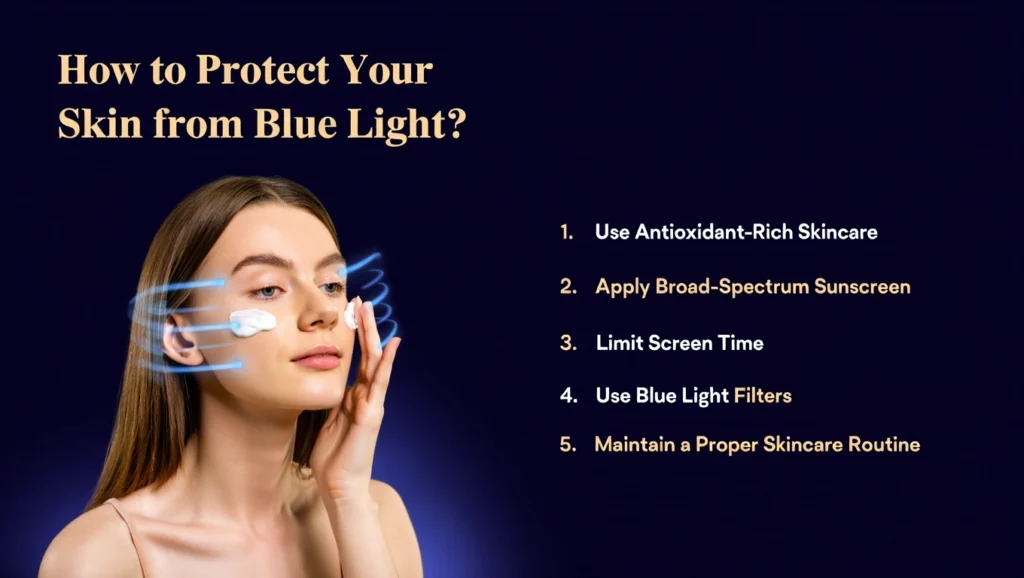
1. Use Antioxidant-Rich Skincare
Incorporating antioxidants like Vitamin C, Vitamin E, and niacinamide into your skincare routine helps neutralize free radicals caused by blue light exposure.
2. Apply Broad-Spectrum Sunscreen
Many modern sunscreens are designed to protect against both UV and HEV light. Using sunscreen daily, even indoors, can help reduce the effects of blue light on skin.
3. Limit Screen Time
Reducing unnecessary screen time is one of the most effective ways to minimize exposure. Taking regular breaks using the 20-20-20 rule (every 20 minutes, look 20 feet away for 20 seconds) can also help.
4. Use Blue Light Filters
Most devices now come with built-in blue light filters or “night mode.” You can also use screen protectors designed to block blue light.
5. Maintain a Proper Skincare Routine
Cleansing your skin after prolonged screen use helps remove accumulated pollutants and prevents clogged pores. Hydration and moisturization are equally important.
The Role of Professional Skincare Treatments
While home care is essential, professional treatments can provide deeper protection and repair. Dermatologists and skincare experts now offer advanced treatments specifically designed to combat digital aging.
Procedures such as antioxidant facials, chemical peels, and skin rejuvenation therapies help restore damaged skin, improve texture, and boost collagen production.
Why Choose IESH for Advanced Skin Care?
When it comes to addressing modern skin concerns like screen time and skin damage, choosing the right clinic makes all the difference. If you are looking for the best skin care clinic in Thrissur, IESH stands out as a trusted name in advanced skincare solutions.
At IESH, we focus on combining medical expertise with personalized care. Our team of experienced professionals understands how lifestyle factors, including prolonged screen exposure, affect skin health. We offer customized treatments tailored to individual skin types and concerns.
Recognized for providing the best skincare treatment in Thrissur, we use advanced technologies and clinically proven methods to treat pigmentation, premature aging, and skin dullness caused by blue light exposure. Whether it’s rejuvenation therapies or preventive skincare solutions, our approach ensures long-lasting results.
What sets us apart is our commitment to holistic skincare. Along with treatments, we guide our clients on maintaining healthy skin through proper routines, diet, and lifestyle adjustments, making us a reliable choice for modern skincare needs.
Daily Habits That Make a Difference
Beyond treatments and products, your daily habits play a crucial role in protecting your skin:
- Stay hydrated to maintain skin elasticity
- Eat a balanced diet rich in antioxidants
- Get enough sleep to allow skin repair
- Avoid excessive use of screens before bedtime
- Keep your devices clean to prevent bacterial transfer
Small changes in your routine can significantly reduce the long-term impact of blue light effects on skin.
The Future of Skincare in a Digital Age
As technology continues to evolve, so does our understanding of its impact on health. Skincare is no longer just about cleansing and moisturizing; it now involves protecting the skin from digital exposure as well.
The concept of “digital aging” is gaining attention, encouraging both individuals and skincare professionals to adapt. With the right awareness and proactive measures, it is possible to enjoy the benefits of technology without compromising skin health.
Conclusion
The connection between screen time and skin is no longer a myth but an emerging reality backed by research and real-life observations. While the effects of blue light may not be immediately visible, prolonged exposure can lead to premature aging, pigmentation, and overall skin damage.
Understanding the blue light effects on skin empowers you to take preventive action. From adopting a proper skincare routine to seeking expert guidance at the best skin care clinic in Thrissur, every step counts in maintaining healthy, glowing skin.
In a world where screens are unavoidable, the goal isn’t to eliminate their use, but to use them wisely while protecting your skin from their hidden impact.
FAQs
Does screen time affect facial skin?
Yes, excessive screen time can affect your facial skin by causing dryness, dullness, premature aging, and pigmentation due to blue light exposure.
What is the 3 6 9 12 rule for screen time?
The 3-6-9-12 rule for screen time is a simple guideline mainly for children’s digital exposure:
– No screens before age 3
– Limited and supervised use from 3–6 years
– Controlled and educational use from 6–9 years
– Balanced and responsible use after 12 years
It’s designed to promote healthy screen habits and reduce negative effects on health, including eyes, sleep, and even skin.
What causes 90% of the skin’s wrinkles?
Around 90% of skin wrinkles are caused by sun exposure, specifically damage from ultraviolet (UV) rays. This process, known as photoaging, breaks down collagen and elastin in the skin, leading to wrinkles, fine lines, and sagging over time.
What are 5 negative effects of screen time?
Here are 5 negative effects of screen time:
– Eye strain and headaches
– Poor sleep quality (due to blue light exposure)
– Skin issues like dullness, dryness, and premature aging
– Reduced physical activity leading to weight gain
– Mental health impacts such as stress, anxiety, or reduced focus
These effects increase with prolonged and unregulated screen use.

Dr. Divya Dileep, the visionary behind IESH Ayurveda, is an experienced Ayurvedic doctor and certified Aesthetic Physician from ILAMED (Greifswald University, Germany). With several years of expertise in modern cosmetology, she has worked with leading aesthetic centers across Kerala, offering treatments like PRP, Mesotherapy, Micro-needling, Peels, Lasers, and more. Dr. Divya is also skilled in Hijama (Cupping Therapy) and Ayurvedic cosmetic product formulation. Her unique approach combines the principles of Ayurveda with modern cosmetology, making IESH a center for holistic wellness and beauty care. At IESH, the goal is to explore new possibilities in the Ayurvedic field and promote overall wellness.