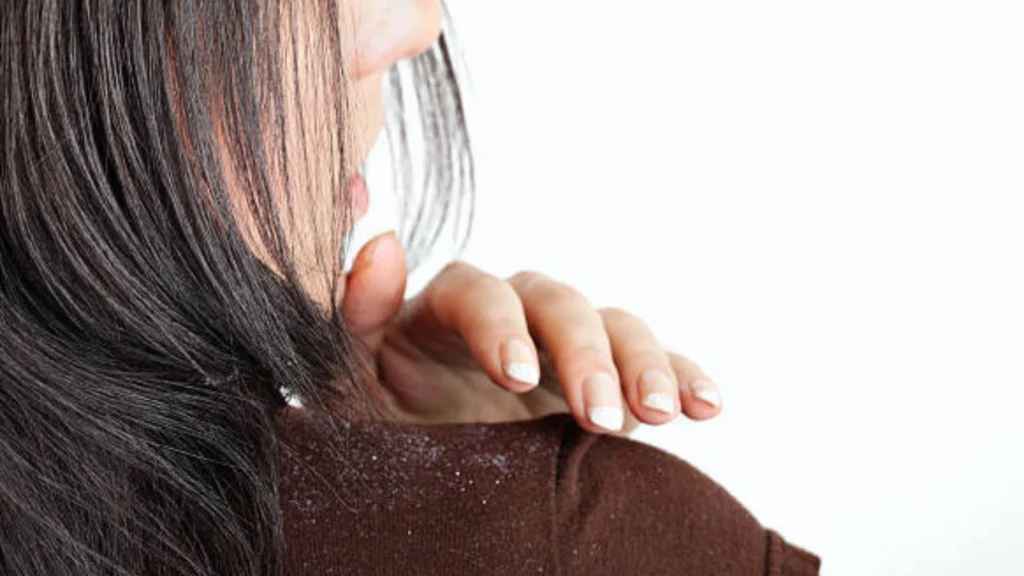
Dandruff is a very common scalp condition that affects both men and women. It is most often characterized by white, powdery flakes on the scalp and on your shoulders, with itching, dryness, and irritation associated with it. Dandruff is often seen as a minor problem for many people, but if you don’t get it treated, it can lead to poor scalp and hair health, loss of confidence, and in some cases, it can lead to permanent hair loss!
Although it appears that you may have a simple case of dandruff at first, if left untreated, it can develop into worse problems, such as an inflamed scalp, overly oily hair, and even bald patches! It is also important to understand that there is a difference between having mild dandruff and having a severe scalp disorder, such as seborrheic dermatitis or fungal scalp infections, that need to be treated by a physician.
Many people try random shampoos or home remedies hoping for quick relief, but this approach often worsens the problem. Instead, following the best hair care routine for dandruff is essential for long-term scalp health. A structured routine helps control flakes, maintain scalp balance, and prevent recurrence.
In this guide, we will explore the causes of dandruff, the best step-by-step hair care routine for dandruff, natural remedies, lifestyle tips, and when professional treatment may be necessary.
What Causes Dandruff?
Understanding the root cause of dandruff is important before choosing a treatment. Different scalp conditions can trigger dandruff, and identifying the cause helps select the right dandruff treatment approach.
One of the most common reasons is excess oil production. When the scalp produces too much oil, it creates an environment where dandruff-causing fungi can grow easily.
Another cause is dry scalp. When the scalp lacks sufficient moisture, it can become dry, leading to flaking and irritation, particularly during colder seasons or when harsh hair products are used.
A major contributor to dandruff is the fungus Malassezia, which naturally exists on the scalp. When it grows excessively, it can cause irritation and increased skin cell turnover, leading to visible flakes.
Product buildup is another common factor. Using too many styling products, oils, or heavy conditioners can clog the scalp and create flaking.
Lifestyle factors also play a role. Stress, hormonal imbalance, poor hair hygiene, and an unhealthy diet can disrupt scalp health and trigger dandruff.
Because dandruff can occur due to multiple reasons, identifying the exact cause is essential for building an effective hair care routine for dandruff and preventing recurring scalp problems.
Best Hair Care Routine for Dandruff
Choose the Right Anti-Dandruff Shampoo
The most important step in an anti-dandruff hair care routine is selecting the right shampoo. Anti-dandruff shampoos contain ingredients that target the root cause of flakes and scalp irritation.
Some effective ingredients include ketoconazole, zinc pyrithione, salicylic acid, and tea tree oil. These ingredients help control fungal growth, reduce inflammation, and remove flakes from the scalp.
Experts usually recommend washing hair two to three times a week with a suitable anti-dandruff shampoo. However, frequency may vary depending on scalp type.
Proper shampooing technique is also important. Apply the shampoo primarily to the scalp and gently massage it in. Leave the product on your scalp for about 3–5 minutes before rinsing so the active ingredients can work more effectively.
Consistent use of the right shampoo is the foundation of a healthy dandruff-control routine.
Scalp Exfoliation
Just like skin exfoliation, the scalp also benefits from occasional exfoliation. Scalp scrubs or mild exfoliating treatments help remove dead skin cells, oil buildup, and product residue.
Exfoliating the scalp once a week can improve scalp circulation and prevent clogged hair follicles. However, it should be done gently to avoid irritation.
Regular scalp exfoliation supports a cleaner scalp environment and enhances the effectiveness of other scalp care for dandruff treatments.
Conditioning the Right Way
Conditioner is essential for maintaining soft and manageable hair, but applying it incorrectly can worsen dandruff.
When following a hair care routine for dandruff, conditioner should only be applied to the hair lengths and ends, not the scalp. Applying conditioner directly to the scalp can increase buildup and make flakes more visible.
Using lightweight conditioners helps keep hair hydrated without affecting scalp balance.
Scalp Serums and Treatments
Targeted scalp treatments can significantly improve dandruff control. Anti-fungal scalp serums help reduce fungal growth and calm irritation.
Some people also use Ayurvedic oils with ingredients such as neem, tea tree, or herbal extracts that support scalp health. However, oils should be used carefully and not excessively.
Lightweight, non-greasy scalp serums are often more effective for maintaining a balanced scalp environment. These treatments complement a structured dandruff hair fall treatment routine and support long-term scalp health.
Drying and Styling Care
Habitually misusing drying and styling methods can contribute to overall frustration with dandruff by worsening scalp issues; for example, too much heat generated by blow dryers or hot styling tools is likely to lead to dry, itchy skin due to irritation from both the tools (i.e., pulling and dragging) and dryness.
After washing, you should use a towel to gently but thoroughly dry (not scrub) the scalp and the hair. If you use a hair dryer, you will want to set it to a cool setting for your own benefit. As with all forms of styling, the use of styling agents like gel or mousse should be minimized, as they may lead to a build-up of product on the surface of the scalp.
Maintaining a clean and dry scalp is essential for a successful dandruff control routine.
Natural and Home Remedies for Dandruff
Using natural remedies consistently can lessen mild dandruff.
Tea tree oil is often considered an effective natural anti-fungal remedy. When diluted with a carrier oil, tea tree oil may help control the growth of microorganisms that cause dandruff.
Aloe vera gel is a soothing agent that hydrates and calms irritated scalp skin and can alleviate itching when applied to the scalp shortly before washing your hair.
Traditional hair care often uses neem-based products for their antibacterial and antifungal benefits.
Using an apple cider vinegar rinse is one of the premium ways to treat mild dandruff, as it will work to bring your scalp’s pH back to its normal level and assist in reducing the development of fungi.
While these remedies may provide temporary relief, they may not always be enough for persistent dandruff. In such cases, professional dandruff treatment is recommended.
Lifestyle and Diet Tips for Dandruff Control
Healthy hair and scalp often start from within. Following a balanced diet can help support an effective hair care routine for dandruff.
Foods rich in zinc, omega-3 fatty acids, and vitamins support scalp health and reduce inflammation. Drinking enough water helps maintain proper hydration for both skin and scalp.
Stress management is also important. High stress levels can disrupt hormone balance and worsen scalp conditions.
Reducing excessive consumption of sugary and oily foods may also help control dandruff symptoms.
Finally, maintaining a regular hair washing routine and proper scalp hygiene plays a key role in long-term dandruff control.
Common Mistakes That Worsen Dandruff
Some hair care activities can unintentionally exacerbate dandruff symptoms.
Frequent washing strips your hair of its natural oils and can irritate your scalp; harsh shampoo can also compromise the scalp barrier.
Using too much oil on your scalp if you are prone to dandruff could actually promote the growth of fungus. While oiling the hair may help to hydrate dry hair, those with dandruff need to limit how frequently they apply oil.
Disregarding the repeated itchiness of your scalp or the presence of flakes will eventually prolong the progression of your dandruff.
Possession of an object that has come in contact with an individual with a scalp infection (such as a brush, comb, or towel) is likely to result in the spreading of the infection. Therefore, you must not share any such personal items.
Avoiding these mistakes helps maintain a more effective anti-dandruff hair care routine.
When to Seek Professional Treatment
Sometimes dandruff does not improve with regular home care. In such situations, seeking professional help becomes important.
Signs that require medical attention include severe itching, thick, persistent flakes, scalp redness, inflammation, or noticeable hair fall, along with dandruff.
If dandruff does not improve after four to six weeks of regular treatment, consulting a scalp specialist or dermatologist is recommended.
Professional scalp analysis helps identify the exact cause and ensures the right dandruff hair fall treatment plan.
Early treatment can prevent long-term scalp damage and improve overall hair health.
Why Choose IESH Ayurveda & Cosmetology Clinic?
For individuals experiencing persistent dandruff or scalp issues, IESH Ayurveda & Cosmetology Clinic offers advanced and personalized hair care solutions.
Recognized as a trusted hair care clinic in Thrissur, the clinic specializes in treating dandruff, scalp disorders, and hair fall using a combination of Ayurveda and modern cosmetology techniques.
At IESH, experts perform detailed scalp analysis to understand the root cause of dandruff. Based on this assessment, customized treatment plans are designed for each individual.
The clinic provides specialized therapies aimed at controlling dandruff, improving scalp health, and strengthening hair roots. Their treatments focus on long-term scalp balance rather than temporary relief.
With expert guidance, patients receive personalized advice on scalp care, product usage, and lifestyle changes that support healthier hair.
If you are struggling with persistent dandruff, booking a consultation at IESH Ayurveda & Cosmetology Clinic can help you receive the right diagnosis and effective treatment for lasting results.
Conclusion
Dandruff is a common scalp condition, but it can be effectively managed with the right care and consistency. Following the best hair care routine for dandruff involves using suitable shampoos, maintaining scalp hygiene, adopting healthy lifestyle habits, and avoiding common hair care mistakes.
While mild dandruff may respond well to home remedies and proper hair care, persistent scalp issues should never be ignored. Professional guidance can help identify the underlying cause and provide targeted treatment.
With the right routine and expert care, achieving a healthy, flake-free scalp is completely possible. Prioritizing scalp health today will lead to stronger, healthier hair in the long run.
FAQs
What is the perfect hair care routine?
The perfect routine includes regular shampooing, proper conditioning, gentle scalp care, balanced nutrition, and avoiding excessive heat styling.
What are the golden rules of hair care?
Maintain scalp hygiene, use suitable products, avoid harsh treatments, protect hair from heat damage, and follow a balanced diet.
What vitamins are you lacking if your hair is dry?
Dry hair may indicate deficiencies in vitamins such as Vitamin A, Vitamin E, Biotin, and Omega-3 fatty acids.
What are the signs of unhealthy hair roots?
Common signs include excessive hair fall, slow hair growth, scalp irritation, thinning hair, and weak hair strands.
What is the 5.5 hair rule?
The 5.5 rule refers to maintaining the scalp’s natural pH balance around 5.5, which helps protect the scalp barrier and prevent dandruff and irritation.

Dr. Divya Dileep, the visionary behind IESH Ayurveda, is an experienced Ayurvedic doctor and certified Aesthetic Physician from ILAMED (Greifswald University, Germany). With several years of expertise in modern cosmetology, she has worked with leading aesthetic centers across Kerala, offering treatments like PRP, Mesotherapy, Micro-needling, Peels, Lasers, and more. Dr. Divya is also skilled in Hijama (Cupping Therapy) and Ayurvedic cosmetic product formulation. Her unique approach combines the principles of Ayurveda with modern cosmetology, making IESH a center for holistic wellness and beauty care. At IESH, the goal is to explore new possibilities in the Ayurvedic field and promote overall wellness.