Iesh Ayurveda & Cosmetology Clinic

Hair Care

Prevent Crown Hair Loss

How to Prevent Crown Hair Loss: Best Tips for Stronger, Thicker Hair!

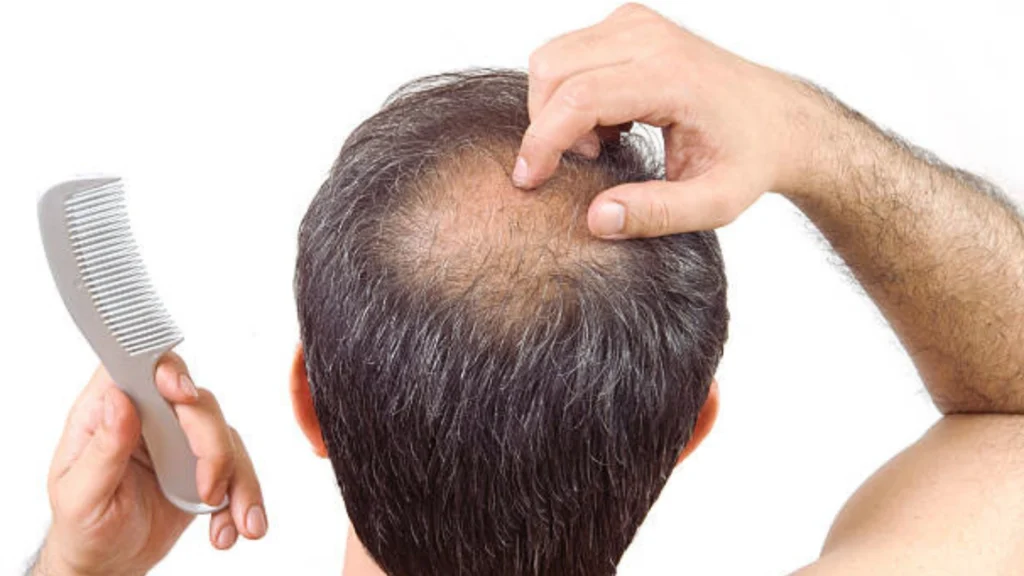
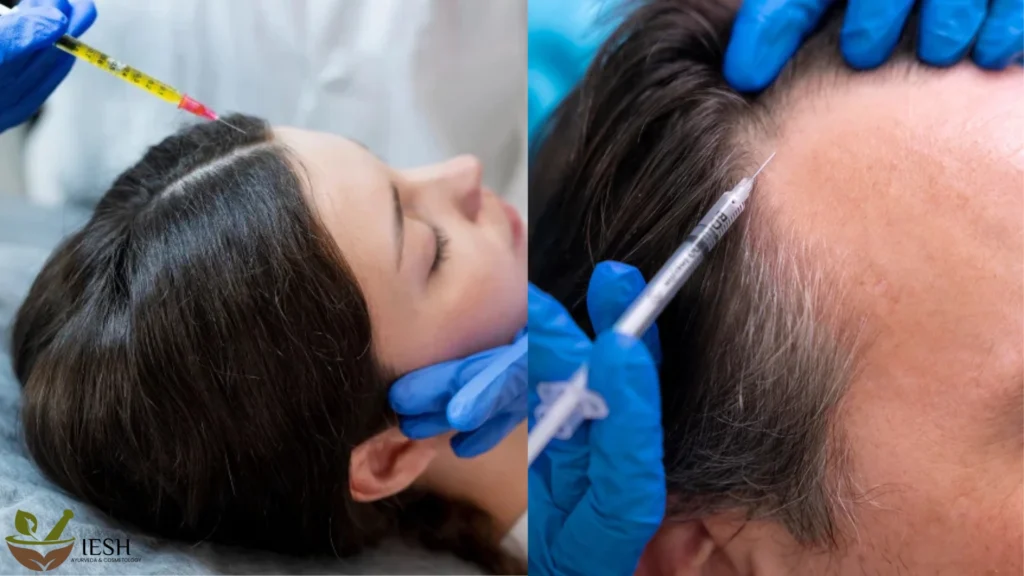
Loss of hair in the crown region or at the vertex is considered one of the most common forms of hair fall in both the male and female populations. Currently, unlike ordinary shedding, crown hair loss gradually reduces the density of hair on the top of the scalp, causing the scalp to appear more visible as the days pass. This circumstance most often has a silent onset, hence the reason why a large number of individuals do not realise it until after the thinning has seriously worsened. Some of the common initial symptoms involved in this illness encompass the increase in hair swirl, decrease in or loss of hair volume, and making the scalp more visible during styling or combing. These signs are important to be identified as early as possible, since it is possible to prevent hairfall, and timely treatment can rejuvenate the hair before it falls off forever. Through this blog, we will provide our explanation about the reasons for hair loss at the crown, what the early signs of crown baldness are, and how best this hair loss can be prevented either naturally or through clinical means. We would also like to point out why the treatments of IESH, as guided by experts, are the best for treating crown hair loss in Thrissur to achieve proper long-term scalp and hair health. What Is Crown Area Hair Loss? Crown hair loss means the loss of thinning or balding at the top of the head or back, namely around the vertex or the crown area. The location is more hormonally and genetically predisposed to this, therefore being more prone to progressive hair fall. Although losing 50-100 hair strands per day is normal, the process of hair thinning at the crown is an indicator of the insufficiency of the new hair growth. This eventually causes crown baldness, where the area begins to look patchy or sparse. There is a slight difference in the hair loss at the crown in men and women. Male hair is commonly bald between the nails, which is typically attributed to vertical shedding around the vertex in women and diffuse shedding throughout the crown. This difference is critical in selecting the appropriate mode of crown hair loss treatment. Common Causes of Hair Loss in the Crown Area Genetic Factors The major reason for hair loss at the crown is pattern baldness. In this case, if there is a familial history of thinning, the first area to experience this is the crown. Hormonal Imbalance Hormones such as DHT undermine hair follicles and reduce the growth cycle, resulting in crown hair loss. Stress & Lifestyle Factors Poor diets, chronic stress, and smoking contribute to crown baldness. Poor Scalp Health Follicles that are clogged, infected, or dandruff cut down on the blood flow and cause hair loss at the crown. Nutritional Deficiencies Deficiency of protein, iron and vitamins may cause hair thinning at the crown. Heat Styling & Chemical Treatments Excessive use of straighteners, colours and chemicals destroys the hair roots and aggravates crown baldness.  Medical Conditions & Medications Thyroid disproportion, PCOS, or some medications can provoke the crown hair loss. Early Signs of Crown Hair Thinning You Shouldn’t Ignore The increased scalp visibility at the top of your head is one of the first symptoms. The hair swirl starts becoming wider, and the density of hair is decreasing. Excessive hair fall during washing is also observed as a symptom. A decrease in the rate of growth at the crown and the weaker strands is a good predictor that hair thinning at the crown has onset. Early detection of these signs enables you to prevent the severity of the crown baldness before its effects take hold. How to Prevent Hair Loss at the Crown Area Naturally & Medically In case you have the question of how to prevent hair loss at crown area, start with good hygiene of your scalp. Washing your scalp cleans it and makes the follicles healthier. A nutritious diet (high-protein food) promotes healthy growth of hair. It is also important to reduce stress, to sleep better, and not to style hair harshly to avoid the problem with crown baldness prevention. Apply some of the products suggested by dermatologists for thinning hair, and early diagnosis should be done in a professional clinic. The most effective solution to prevent crown hair loss, both in natural ways and in medicine, is to do it in time. Effective Treatments for Crown Hair Loss There are some clinical options available in the crown hair loss treatment. These would be state of the art scalp treatment, growth factor treatment, and non-surgical restoration of hair. Treatment plans should be tailor-made to provide every patient with the most appropriate solution and not a broad one. Professional consultation is important in dealing with the issue of crown baldness. Lifestyle Changes That Support Crown Baldness Prevention Exercising a healthy lifestyle may help to enhance crown baldness prevention. Workouts improve the functioning of the blood, and it grows hair follicles. A reduction of the triggers of the crown hair loss can be obtained by managing the stress with the help of yoga or meditation. Avoiding smoking and alcohol is also beneficial to the protection of hair roots and prevents hair thinning at the crown. Why IESH Is the Right Choice for Crown Hair Loss Solutions At IESH Ayurveda & Cosmetology Clinic, we offer the best crown hair loss treatment in Thrissur, where we combine medical treatment with modern scalp therapy to generate long-term and visible effects. We have the reputation of being the best hair clinic in Thrissur to offer personalised and safe hair restoration. View this post on Instagram A post shared by Iesh_Ayurveda & Cosmetology (@ieshayurveda) View this post on Instagram A post shared by Iesh_Ayurveda & Cosmetology (@ieshayurveda) PRP (Platelet-Rich Plasma) PRP (Platelet-Rich Plasma) therapy is an advanced, non-surgical hair restoration treatment that uses your own blood’s growth factors to stimulate dormant hair follicles and strengthen thinning hair, especially at the crown.

How to Prevent Crown Hair Loss: Best Tips for Stronger, Thicker Hair! Read More »

How to Properly Wash Your Hair

How to Properly Wash Your Hair: A Natural Hair Care Routine for Healthy Scalp!

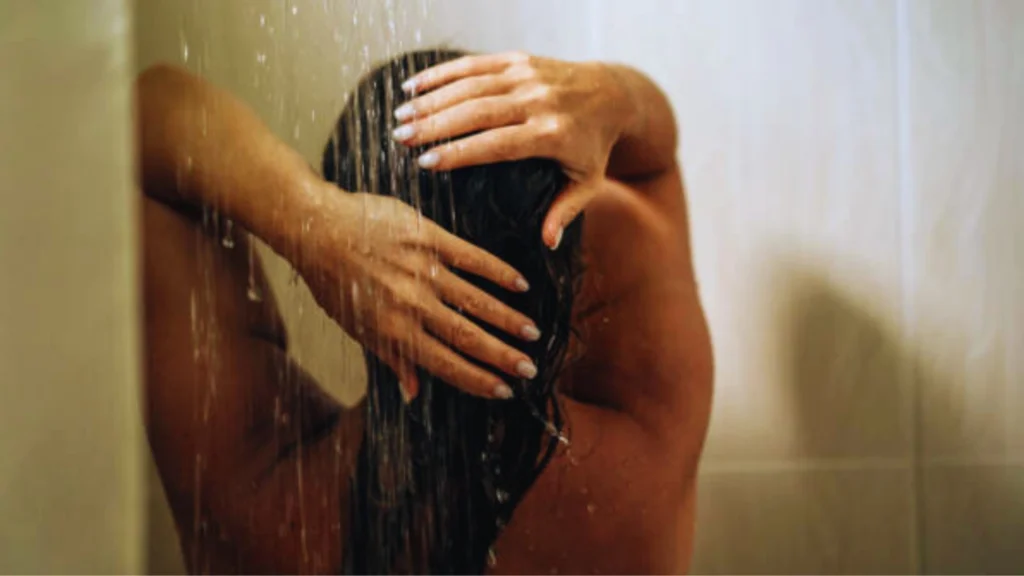
Hair washing may seem like a simple daily habit, yet many people unknowingly follow practices that damage their scalp and hair over time. Using very hot water, applying shampoo incorrectly, or washing too frequently can strip the scalp of its natural oils. This often leads to dryness, breakage, dandruff, dullness, and even hair fall. According to hair care experts, poor washing habits are one of the most common reasons behind scalp imbalance and weakened hair strands. By learning how to properly wash your hair, you can significantly improve scalp health, strengthen hair roots, and maintain natural shine. With the right hair washing method, hair cleansing becomes a nourishing routine rather than a damaging one. Why Proper Hair Washing Matters Understanding the correct way to wash hair is essential for maintaining a healthy scalp and supporting hair growth. Proper washing removes dirt, excess oil, and product buildup that can clog hair follicles and slow down growth. When scalp hygiene is neglected, problems such as dandruff, itching, and hair thinning can develop. On the other hand, overwashing can be equally harmful. Washing too often strips away protective natural oils, leaving the scalp dry and irritated. Balanced washing supports scalp health, improves hair texture, and reduces breakage. Small improvements in your routine can make a big difference in long-term hair nourishment and strength. Hair Washing Steps: A Step-by-Step Guide Understanding how to properly wash your hair is essential for maintaining a healthy scalp, reducing breakage, and enhancing natural shine. Following the right hair-washing steps ensures effective cleansing without stripping natural oils, helping your hair stay strong, smooth, and well-nourished. Prepare Your Hair Brush your hair gently before washing to remove tangles and loosen dirt or product buildup. This step helps reduce breakage and makes the washing process more effective. Wet Your Hair Thoroughly Use lukewarm water to fully soak your hair from scalp to ends. Lukewarm water helps cleanse effectively without stripping natural oils. Avoid hot water, as it can dry out the scalp and weaken hair strands. Apply Shampoo Correctly Take a small coin-sized or quarter-sized amount of shampoo, depending on your hair length. Rub it between your palms and apply only to the scalp. Focus on cleansing the scalp, as the ends will be cleaned naturally while rinsing. Lather and Massage Gently Massage your scalp using your fingertips in gentle circular motions for 1–2 minutes. This improves blood circulation, removes buildup, and supports hair strengthening tips and healthy growth. Rinse Thoroughly Rinse until all shampoo residue is completely removed. Leftover shampoo can cause itchiness, dullness, and product buildup. Apply Conditioner Apply conditioner from the mid-lengths to the ends of your hair. Avoid the scalp to prevent greasiness. Leave it on for 2–5 minutes to allow deep moisture absorption and hair nourishment. Final Rinse Finish with cool water. Cool water helps close the hair cuticles, locking in moisture and enhancing natural shine. View this post on Instagram A post shared by Iesh_Ayurveda & Cosmetology (@ieshayurveda) Common Hair Washing Mistakes to Avoid Using Hot Water Hot water strips away natural oils, causing dryness and frizz. Lukewarm or cool water is the best way to wash hair naturally. Applying Shampoo to Dry Hair Always wet your hair completely before applying shampoo. Shampoo works best when activated with water. Overusing Shampoo or Conditioner More product does not mean better cleaning. Excess shampoo dries the scalp, while too much conditioner causes heaviness and buildup. Scrubbing the Scalp Harshly Scratching with nails can irritate the scalp and damage hair roots. A gentle fingertip massage is key to hair fall prevention. How Often Should You Wash Your Hair? Knowing how to properly wash your hair also means understanding the right washing frequency for your hair type. Washing too often or too little can disrupt scalp balance, so choosing the correct routine helps maintain healthy oils, prevent damage, and support overall hair health. Oily Hair Wash every other day to control excess oil without triggering more sebum production. Dry or Damaged Hair Wash 1–2 times per week. Use hydrating products to maintain moisture and prevent further dryness. Curly Hair Curly hair needs less frequent washing as natural oils take longer to travel along the hair shaft. Once a week, co-washing helps maintain hydration and reduce frizz. Understanding how often you should wash your hair based on your hair type is essential for a balanced natural hair care routine. Choosing the Right Hair Care Products Go Sulfate-Free Sulfate-free shampoos gently cleanse without stripping moisture, making them ideal for sensitive, dry, curly, or treated hair. Choose the Right Conditioner The right product combination plays a major role in long-term hair nourishment and strength. Drying Your Hair the Right Way Avoid rubbing your hair aggressively with a towel. Wet hair is fragile and prone to breakage. Instead, gently pat dry using a soft towel or cotton cloth. If using heat tools, apply a heat protectant and use low to medium heat settings to reduce damage. Professional Hair Care Support at IESH, Thrissur While home care is essential, persistent hair concerns often need professional guidance. IESH Ayurveda & Cosmetology Clinic in Thrissur offers expert solutions that combine Ayurvedic principles with modern hair science. View this post on Instagram A post shared by Iesh_Ayurveda & Cosmetology (@ieshayurveda) Recognized as the best hair care clinic in Thrissur, IESH focuses on: For those looking for the best hair treatments in Thrissur, professional care at IESH ensures safe, effective, and visible improvement in hair health. Final Thoughts Learning how to properly wash your hair forms the foundation of healthy, strong, and shiny hair. From choosing the right products to following correct washing and drying techniques, every step matters. Combined with expert guidance when needed, these practices help maintain scalp health, prevent hair fall, and support natural hair growth. With consistency and the right care, your hair will reward you with better texture, strength, and lasting shine. Dr. Divya DileepDr. Divya Dileep, the visionary behind IESH Ayurveda, is an experienced Ayurvedic doctor and certified Aesthetic Physician from

How to Properly Wash Your Hair: A Natural Hair Care Routine for Healthy Scalp! Read More »

Wood comb for hair growth

Top 10 Reasons to Use A Wood Comb for Hair Growth!

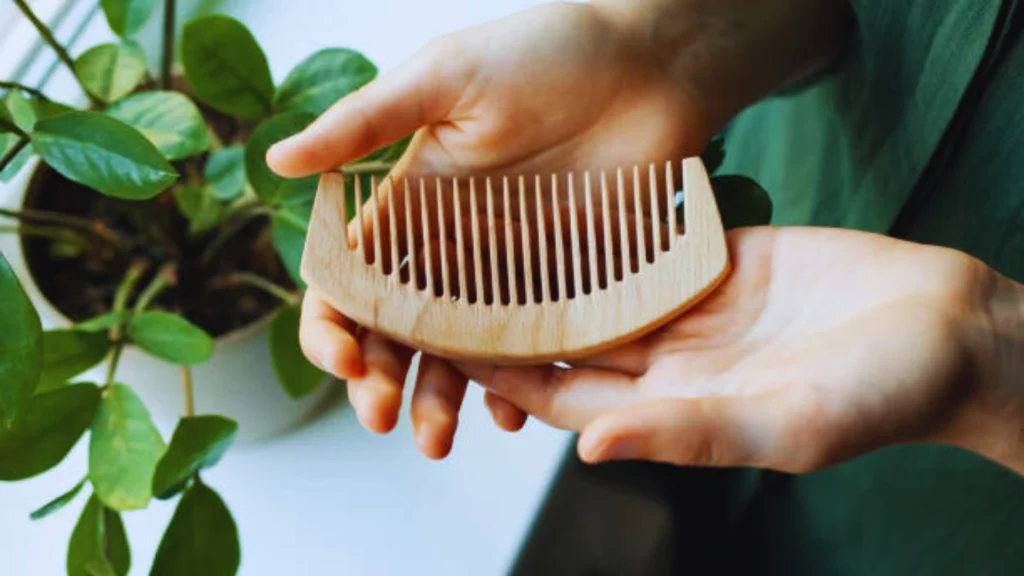
People prefer natural, sustainable products and replace synthetic personal care items with eco-friendly, time-tested alternatives. When it comes to wooden combs vs plastic combs, wooden combs clearly stand out because they combine proven environmental advantages with their capacity to improve hair health and stimulate new hair growth, making them an ideal choice for promoting hair growth. Wooden combs deliver better care for hair and scalp since they avoid the harmful effects that plastic or metal products produce. Healthy hair needs a healthy scalp as a foundation. A wood comb for hair growth helps maintain improved blood circulation, distributes natural oils evenly, and reduces breakage to support healthy hair development. People who want natural, sustainable means to grow stronger, thicker, shinier, and healthier hair now prefer wooden combs as part of holistic and Ayurvedic hair care practices. Why Wooden Combs Are Unique Material Properties The production of wooden combs utilises natural materials such as neem, sandalwood, or bamboo because these substances demonstrate both non-reactive behaviour and calming effects. The antistatic nature of wood offers smooth, manageable hair because it differs from plastic combs that create static electricity and frizz, making this comparison of a wooden comb vs a plastic comb especially important for hair health. A wooden comb’s naturally rounded teeth slide through hair, supporting sensitive scalps and preventing split ends. This is why wooden combs are often recommended in Ayurvedic hair growth treatment in Kerala as a daily hair care tool. Eco-Friendly Choice The sustainable characteristics of wooden combs extend beyond hair care. These combs replace plastic, come from renewable sources, and avoid toxic chemicals or dyes. Choosing wooden combs supports both personal wellness and environmental responsibility, aligning with traditional Ayurvedic principles. The balance of scalp-friendliness, durability, and sustainability makes wooden combs a preferred choice for those seeking the best wooden comb for healthy hair. Top 10 Reasons to Use a Wooden Comb Gentle on Hair Strands Wooden combs glide smoothly through hair due to their rounded teeth, minimising breakage and split ends. This is especially beneficial for fine, curly, or chemically treated hair and supports long-term hair strength. Stimulates Blood Circulation The gentle massage action improves scalp circulation and stimulates hair follicles, encouraging hair growth. Regular use supports thicker and healthier hair, which is a key goal of Ayurvedic hair growth treatment in Kerala. Reduces Static and Frizz The reason wooden combs do not build up static electricity like plastic combs do is that they are made of a non-conductive material, therefore creating an anti-static effect on the hair. The non-conductivity of wood prevents hair from being damaged by static electricity in any climate. Distributes Natural Oils Wooden combs evenly distribute natural scalp oils from roots to tips, enhancing shine and reducing dryness, one of the reasons they are considered the best wooden combs for healthy hair. Prevents Dandruff The gentle exfoliating action removes dead skin cells and buildup without irritating the scalp, making wooden combs ideal for sensitive or itchy scalps. Detangles Hair Easily Wide, smooth wooden teeth detangle wet or dry hair effortlessly without pulling or root damage. Encourages Thicker Hair Growth By improving scalp health and reducing hair fall, wooden combs create an ideal environment for thicker and stronger hair over time. Prevents Greasiness Even oil distribution prevents excess oil buildup at the scalp while maintaining freshness between washes. Removes Dirt and Impurities Wooden combs gently remove dirt and residue without stripping the scalp’s natural protective layer. Durable and Long-lasting Made from neem, bamboo, or sandalwood, wooden combs are biodegradable, durable, and sustainable grooming tools when cared for properly. How Wooden Combs Promote Hair Growth? Hair growth begins at the root. The smooth design of a wood comb for hair growth creates a gentle scalp massage that activates hair follicles naturally. This stimulation supports the natural hair growth cycle, similar to techniques used in Ayurvedic hair growth treatment in Kerala. Scalp massage leads to increased expression of genes related to hair growth based on findings published in Eplasty (14) during 2016. Regular combing with a wood comb for hair growth recreates this effect naturally, without the irritation caused by plastic or metal tools. Improved circulation delivers essential nutrients like biotin, zinc, iron, and oxygen to hair follicles. According to WebMD, poor blood circulation contributes to hair thinning, while improved flow, supported by using a wood comb for hair growth, strengthens hair roots and overall hair health. Wooden Comb vs. Plastic/Metal Comb: What’s Better for Your Hair? Feature Wooden Comb Plastic/Metal Comb Static Prevention No static; natural material prevents frizz Causes static electricity, leading to frizz & breakage Eco-Friendliness Sustainable, biodegradable, and environmentally friendly Made from non-renewable, non-biodegradable materials Scalp Safety Gentle on scalp; doesn’t scratch or irritate Hard edges may scratch the scalp, causing micro-injuries Oil Distribution Evenly spreads natural scalp oils from root to tip Oil tends to stick to the surface, causing uneven distribution Hair Breakage Smooth, wide teeth reduce tangles and hair breakage Often snags and pulls hair, increasing breakage risk Durability Long-lasting with proper care May crack or warp over time with regular use Maintenance Tips for Wooden Combs Remove hair debris regularly: Regularly clean away trapped hair from the comb by gently brushing out the hair debris. Wipe with a dry cloth: Gently wipe the comb to clean it with a dry piece of cloth after using it. Avoid soaking in water: Soaking the comb in water is not recommended because the swelling effect, warp or cracking can occur due to the excess liquid. Store in a dry place:  Place the comb within a dry environment since bathrooms and other humid locations may lead to mould damage and moisture damage. Oil occasionally: Periodic application of linseed or coconut oil as thin layers will preserve the wood’s natural finish while helping it stay dry. Use a soft brush for deep cleaning: You should clean between the comb teeth with mild soap and a soft brush, then dry them right away. Avoid extreme heat: Store the comb in locations shielded from sunlight

Top 10 Reasons to Use A Wood Comb for Hair Growth! Read More »

GFC vs PRP

GFC vs PRP- Which Hair Restoration Technique to Use?

Both men and women experience physical and mental issues because of hair loss. Regenerative medicine has developed two innovative treatments: Growth Factor Concentrate (GFC) and Platelet-Rich Plasma (PRP) therapy. The two therapies use blood-derived natural growth factors to enhance hair growth and increase hair density in patients. Regarding effectiveness, which treatment choice stands out more? This information aims to reveal the distinctive features of GFC and PRP to assist you in your decision process. What is GFC (Growth Factor Concentrate)? GFC is a relatively new procedure introduced to help people suffering from hair loss and for skin rejuvenation. It’s a more advanced version of PRP that offers greater results. This process is more advanced than the standard PRP therapy. Here, instead of platelets, growth factors in high concentration are extracted from the platelets and injected directly into the scalp or skin. This process results in a pure and safe treatment that enhances hair follicle regeneration and improves hair volume. Benefits of GFC Therapy What is PRP (Platelet-Rich Plasma)? PRP treatment method based on growth factors operates as a hair loss therapy that belongs to regenerative medicine, while using stem cell therapy concepts. PRP is a natural treatment that combines blood extraction with centrifugal platelet concentration, leading to plasma injection into the scalp. Taking Growth factors from your blood to rejuvenate skin and encourage hair growth. Platelet-rich plasma packs growth factors that activate hair follicles simultaneously while motivating hair development and working to strengthen the scalp. Benefits of PRP Therapy GFC vs. PRP: Key Differences in Hair Restoration The market offers Growth Factor Concentrate (GFC) and Platelet-Rich Plasma (PRP) as top hair restoration treatment options. Both treatments utilize human body growth factors to promote hair growth. There are various distinctions regarding their effectiveness, processing, and cost. Here’s a detailed comparison: 1. Concentration of Growth Factors GFC: Growth Factor Concentrate stands out by delivering increased growth factors, which creates the possibility of robust, rapid hair regrowth. PRP: A PRP solution provides minimal growth factor strength to activate hair follicles during their inactive state. 2. Processing Method GFC: GFC depends on advanced processing procedures to obtain concentrated growth factors along with the removal of blood cells, such as red cells and white cells. PRP: The separation of platelets from other blood elements occurs through PRP using basic blood centrifugation practices. 3. Results and Sessions Required GFC: Clinical trials show that GFC enables patients to achieve faster results with greater visibility, which can be achieved through three to four treatment sessions. PRP: The effects from using PRP become noticeable through gradual improvement, but patients need to undergo multiple sessions to see noticeable results. 4. Cost and Accessibility GFC: The purification method of GFC reduces its affordability yet produces a superior result. PRP: More affordable and widely available, making it a common choice for those seeking budget-friendly hair restoration. 5. Versatility and Safety GFC: GFC presents a minimal allergic response risk because it uses highly purified materials, although it rarely appears alongside additional treatments. PRP:  PRP provides a natural solution that medical experts combine with microneedling and topical applications for hair loss treatment. Choosing Between GFC and PRP: Which Hair Restoration Treatment Is Right for You? Hair restoration treatments like Growth Factor Concentrate and Platelet-Rich Plasma (PRP) are now widely used because they naturally activate hair growth. For those comparing GFC vs PRP for hair loss, the key question is—which procedure should medical patients select? Here are the essential factors that determine the choice between Growth Factor Concentrate (GFC) and Platelet-Rich Plasma (PRP). Severity of Hair Loss GFC: The high potency of GFC makes it the most suitable option when you have advanced hair loss conditions. PRP: The application of PRP serves those who experience light or moderate hair loss during the initial stages of their condition. Budget Considerations PRP: More budget-friendly, making it a widely accessible option for hair restoration. GFC: The GFC treatment solution results in fast and potentially superior outcomes in fewer procedures, though its price tag remains expensive. Personal Preference Choosing GFC will be the best solution when you need fast hair restoration therapy with potent effectiveness rates. People who prefer to build their hair restoration through multiple sessions should consider PRP as a viable solution. Plasma treatment tends to provide fewer side effects for patients because its clinical formulation remains purified. Why Choose IESH for The Best GFC & PFP Treatments? Advanced Diagnostic Tools: Detailed scalp analysis to identify the exact stage and severity of hair loss. Customized Treatment Plans: Tailor-made therapies combining GFC, PRP, Ayurvedic medicines, and supportive care. Holistic Healing Approach: Focus on long-term scalp nourishment, hair strength, and internal wellness. Highly Experienced Specialists: Every procedure is performed by trained cosmetology and Ayurvedic experts. Patient-Centric Environment: Comfortable care, transparent guidance, and continuous progress monitoring. View this post on Instagram A post shared by Iesh_Ayurveda & Cosmetology (@ieshayurveda) View this post on Instagram A post shared by Iesh_Ayurveda & Cosmetology (@ieshayurveda) If you are looking for professional guidance on choosing between GFC and PRP, IESH Ayurveda & Cosmetology Clinic offers advanced and holistic solutions for hair and skin concerns. With a blend of modern regenerative techniques and traditional Ayurvedic principles, the clinic provides personalized treatment plans designed to improve hair density, control hair fall, and enhance scalp health. Their expert specialists ensure safe procedures, detailed assessments, and tailored care to help patients achieve long-lasting hair restoration results. Dr. Divya DileepDr. Divya Dileep, the visionary behind IESH Ayurveda, is an experienced Ayurvedic doctor and certified Aesthetic Physician from ILAMED (Greifswald University, Germany). With several years of expertise in modern cosmetology, she has worked with leading aesthetic centers across Kerala, offering treatments like PRP, Mesotherapy, Micro-needling, Peels, Lasers, and more. Dr. Divya is also skilled in Hijama (Cupping Therapy) and Ayurvedic cosmetic product formulation. Her unique approach combines the principles of Ayurveda with modern cosmetology, making IESH a center for holistic wellness and beauty care. At IESH, the goal is to explore new possibilities in the Ayurvedic field and promote

GFC vs PRP- Which Hair Restoration Technique to Use? Read More »

Best Cosmetologist in Thrissur

How To Choose The Best Cosmetologist in Thrissur For Your Skin & Hair?

Taking care of our skin and hair health is not just about beauty; it’s all about overall confidence and wellness. Whether you are dealing with acne scars, pigmentation, wrinkles, hair fall, or dull skin, choosing the best cosmetologist in Thrissur can make a life-changing difference. However, finding the right cosmetologist requires careful consideration. The specialist you choose should be knowledgeable, experienced, and capable of offering personalized treatments that suit your unique skin type and hair condition. In this guide, we’ll show you how to choose the right cosmetologist, what treatments to expect, and why IESH Ayurveda & Cosmetology Clinic is one of the most trusted skin and hair clinics in Thrissur. Why Your Cosmetologist Choice Matters? Your skin and hair are delicate and directly reflect your lifestyle, health, and age. Trusting them to an inexperienced or unqualified professional can lead to ineffective treatments, side effects, or even long-term damage. This is why choosing the right cosmetologist in Thrissur is critical. Here are the main reasons: In short, investing in the best cosmetologist in Thrissur is an investment in your skin’s health, your hair’s vitality, and your overall self-confidence. What to Consider When Choosing the Best Cosmetologist in Thrissur? When you search for a cosmetologist or cosmetology clinic in Thrissur, you’ll find several options. But not all provide the same level of expertise and care. Here are the most important things to check before making your decision: Meet Dr. Divya Dileep – Leading Cosmetologist in Thrissur One of the biggest strengths of IESH Ayurveda is its chief cosmetologist, Dr. Divya Dileep. She is widely recognized as a trusted cosmetology specialist in Thrissur, known for her expertise in treating complex skin and hair concerns using a blend of Ayurveda and modern cosmetology. Why is Dr. Divya Dileep Considered The Best Cosmetologist in Thrissur? Popular Treatments by Dr. Divya Dileep With her professional experience, patient-centered care, and proven results, Dr. Divya Dileep is often regarded as one of the best cosmetologists in Thrissur. Why IESH Ayurveda is the Trusted Cosmetology Clinic in Thrissur? If you’re looking for a skin and hair clinic in Thrissur, IESH Ayurveda stands out because of: The Cosmetology Treatment Process at IESH Ayurveda At IESH, the treatment process is designed to give patients the best results while ensuring comfort and safety: This careful process ensures patients get results that are both visible and lasting. View this post on Instagram A post shared by iesh_ayurveda (@ieshayurveda) Final Thoughts Choosing the right expert for your skin and hair is not just a matter of beauty—it’s about health, confidence, and long-term results. If you are searching for the best cosmetologist in Thrissur, then Dr. Divya Dileep at IESH Ayurveda & Cosmetology Clinic is a trusted name. With her unique approach that blends advanced cosmetology and Ayurvedic wisdom, she ensures that every treatment is safe, effective, and tailored to your personal needs. Whether it’s acne scar treatment, pigmentation correction, hair fall solutions, or skin rejuvenation, you can expect visible improvements with long-lasting benefits. At IESH Ayurveda, patients don’t just receive treatments—they receive care, guidance, and holistic solutions that restore natural beauty from within. Under the expertise of Dr. Divya Dileep, the leading cosmetology specialist in Thrissur, hundreds of patients have transformed their skin and hair health with proven, result-driven therapies. If you are looking for a trusted cosmetology clinic in Thrissur where experience, natural care, and advanced techniques come together, IESH Ayurveda is your destination for glowing skin and healthy hair. Frequently Asked Questions adminieshayurveda.com

How To Choose The Best Cosmetologist in Thrissur For Your Skin & Hair? Read More »

Does hair styling causes hair loss

Does Hair Styling Cause Hair loss? All You Need To Know

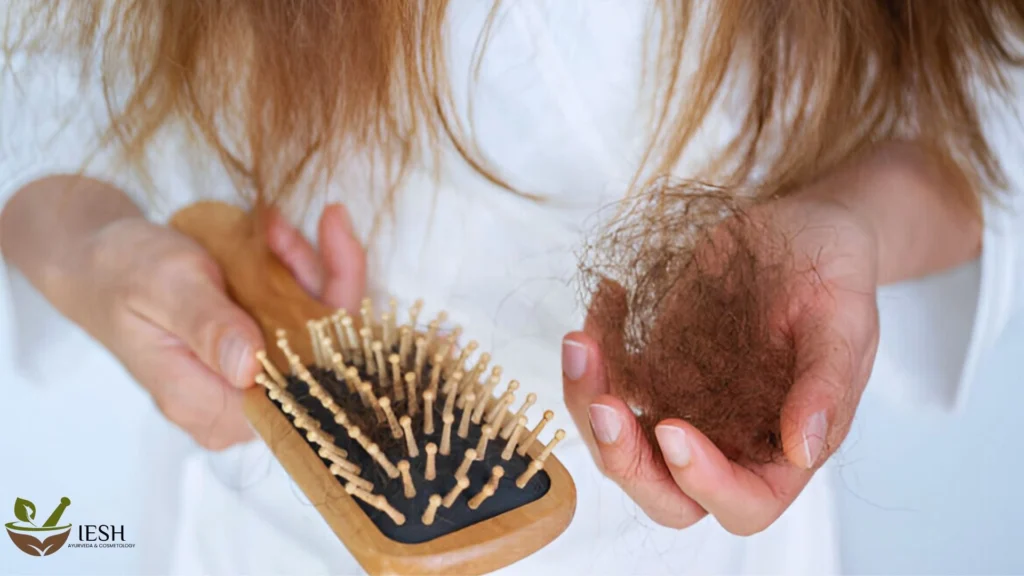
Hair is not only a part of one’s look, but also an identity, confidence, and personal style. Of course, any signs of hair loss may lead to stress and anxiety. The most popular question asked when we spot hair thinning and shedding is: “Is my hair styling routine to blame for this?” From blow-drying and straightening, tight hairstyles, and chemical treatments, a lot of our styling habits can cause strain to our hair. But how much is too much?  Styling, will it however, cause permanent hair loss? In this article we will go over the connection between hair styling and the health of hair and debunk the myths around hair care to make you care for your hair with more confidence. Types of Hair Loss: Temporary vs. Permanent Temporary Hair Loss Temporary hair loss is usually reversible and is due to stress, changes in hormones, poor nutrition, or certain modes of styling your hair. Examples: Telogen Effluvium (chronic stress-induced shedding), traction alopecia (caused by tight hairstyles). Permanent Hair Loss Genetics and conditions of the body lead to permanent hair loss, where the follicles are damaged or destroyed. Examples: Androgenetic alopecia (male/female pattern baldness), scarring alopecia. Normal Hair Shedding Vs. Excessive Hair Loss Normal Hair Shedding It is normal to lose 50 to 100 hairs on a normal day during combing or washing because it’s an aspect of natural hair growth. These hairs typically grow back. Excessive Hair Loss Noticing a lot of hair clumps on your brush, pillow or a drain in your shower will be a warning sign of a serious problem. When an individual loses an abnormal amount of hair consistently or suddenly, then medical or dermatological attention is needed. How Hair Styling Can Contribute to Hair Loss Hair styling is an integral part of self-expression and grooming. Some of the practices of hair styling if carried out over-the-top or incorrectly, can cause different forms of hair damage or even hair loss in the long run. Here’s how: 1. Damage due to Traction Alopecia Traction alopecia refers to a state of hair loss arising from unnecessary tension on the hair follicles. This condition occurs slowly as one’s hair is pulled in the same direction over a period. Hairstyles That Cause Tension: Signs and Symptoms of traction alopecia: 2. Damage due to Heat Damage Impact of Frequent Use of Heat Styling Tools: Equipment like straighteners, curling irons, and blow dryers exposes the hair to high temperatures, thus they are denied moisture and its structure is also weakened. How Heating Weakens Hair Strands: 3. Damage due to Chemical Damage Hair dyes, relaxers, perms, bleaching agents, and keratin treatments have strong chemicals that affect the natural state of your hair. The overuse of these chemical products can cause hair loss. Effects on Hair and Scalp Health: 4. Damage due to Mechanical Damage Over-brushing and Rough Handling Frequent or vigorous brushing will cause friction and result in the breaking of hair strands. Wet Hair Vulnerability 5. Damage due to Harmful Hair Products Ingredients That Can Damage Hair and Scalp: Sulfates: Removal of the natural oils of the scalp, which causes dryness. Parabens: Possible hormone disruptors and irritants for the scalp Formaldehyde (in some keratin treatments): Can cause weakened hair and irritation of the skin. Silicones: Form buildup on the scalp, which suffocates follicles with time Product Buildup and Scalp Irritation: Preventive Measures to Avoid Hair Loss from Styling The prevention of loss of hair is not stopping all the styling of your hair but rather making wise choices on how to style your hair in a milder way. Observing your styling, you will be able to save the scalp and the hair from long-term harm. Choose Gentle Hairstyles and Avoid Excessive Tension  Limit Heat Styling Frequency and Temperature Opt for Chemical-Free or Mild Chemical Treatments Use Gentle Hair Care Products Practice Proper Hair Handling Techniques Give Your Hair Regular Breaks and Care for Your Scalp When to Consult a Dermatologist or Trichologist Due to  Hair Loss The minor hair shedding is normal, occasional styling damage is curable at home, but there are moments when professional assistance will come in handy. It can be reasonable to seek advice from a dermatologist or one who specialises in the health of the hair and scalp, a trichologist, if you want to diagnose the underlying cause of your hair loss and a tailored diagnosis. Signs That Require Professional Evaluation Possible treatments for styling-related hair loss Conclusion To avoid long-term effects, one should try to identify the early signs of hair and scalp problems. Consulting a dermatologist or trichologist at an important stage would help you to know the reason and get individual treatment. Whether you lose your hair because of your hairstyling habits or a deeper health concern, seeking professional attention in time can restore the disappearing hair, but also your self-esteem. Make the first step to healthier hair with IESH Ayurveda hair treatment solutions. Also Read : Top Ayurvedic Beauty Treatments for Natural Skin and Hair Care Dr. Divya DileepDr. Divya Dileep, the visionary behind IESH Ayurveda, is an experienced Ayurvedic doctor and certified Aesthetic Physician from ILAMED (Greifswald University, Germany). With several years of expertise in modern cosmetology, she has worked with leading aesthetic centers across Kerala, offering treatments like PRP, Mesotherapy, Micro-needling, Peels, Lasers, and more. Dr. Divya is also skilled in Hijama (Cupping Therapy) and Ayurvedic cosmetic product formulation. Her unique approach combines the principles of Ayurveda with modern cosmetology, making IESH a center for holistic wellness and beauty care. At IESH, the goal is to explore new possibilities in the Ayurvedic field and promote overall wellness. ieshayurveda.com/doctors/divya-dileep/

Does Hair Styling Cause Hair loss? All You Need To Know Read More »