Healthy skin goes beyond just looking radiant. It involves understanding your skin type, addressing underlying concerns, maintaining a consistent skincare routine, and choosing treatments that suit your individual needs. As interest grows in both traditional wellness practices and advanced dermatological procedures, many people are exploring how Ayurveda and modern cosmetology can work together to support skin health.
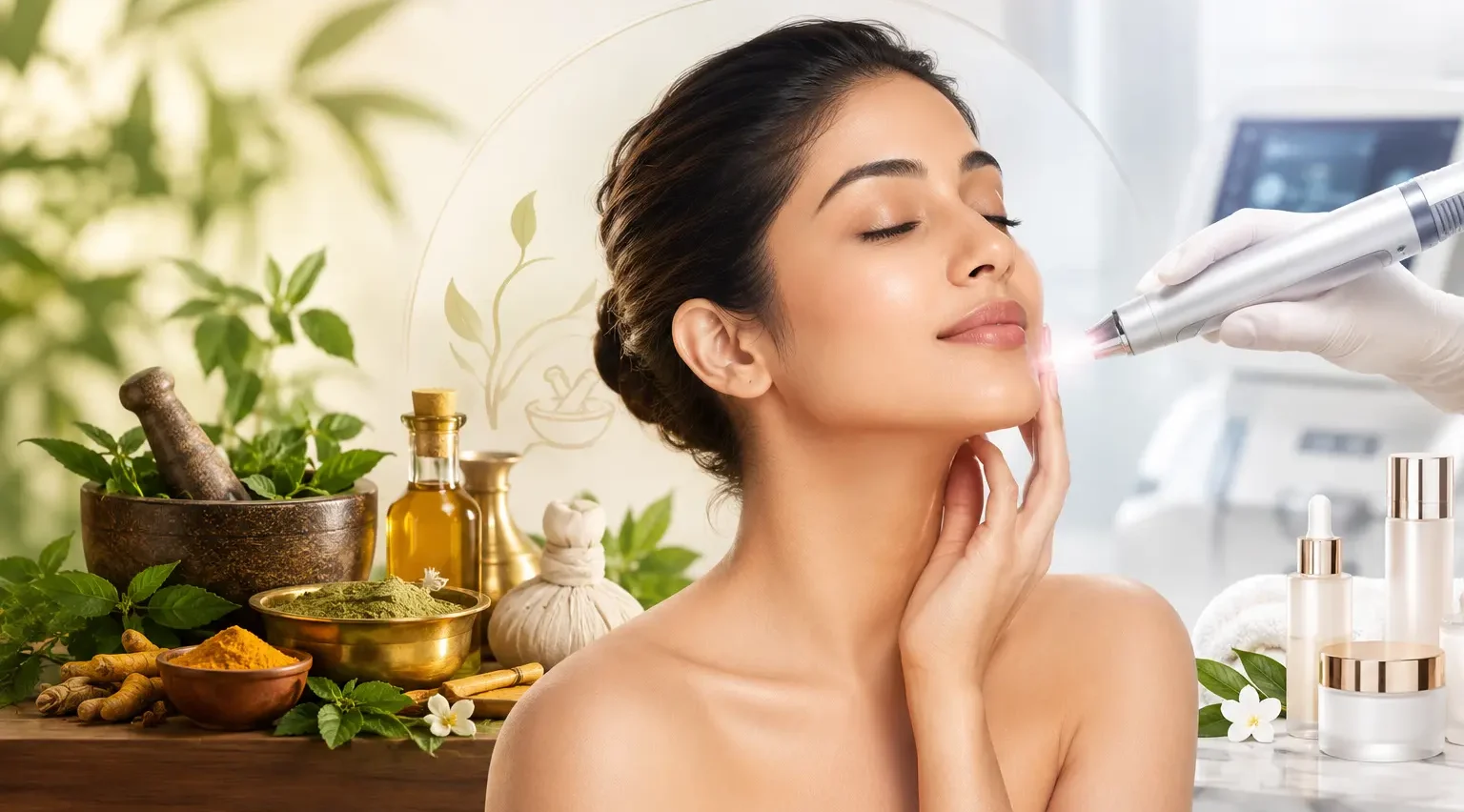
Ayurveda focuses on traditional wellness approaches, while modern cosmetology uses contemporary skincare techniques and technologies to address specific skin concerns. When selected carefully and guided by qualified professionals, these approaches may complement each other as part of a personalised skincare plan.
But how does this combination work, and what should you consider before choosing a treatment? Let’s explore the relationship between traditional Ayurvedic practices and modern skin treatments.
Understanding Ayurveda and Modern Cosmetology
Ayurveda is a traditional system of medicine that emphasises overall well-being, lifestyle, diet, and individual constitution. Ayurvedic skincare practices may include selected herbal preparations, massage techniques, and lifestyle recommendations.
Modern cosmetology focuses on improving the appearance and condition of the skin through professional skincare procedures and evidence-based techniques. Depending on the concern, these may include chemical peels, hydrafacials, exfoliation, and other non-surgical treatments.
Although their approaches differ, both aim to support skin care and address individual needs. The important distinction is that traditional use does not automatically establish the safety or effectiveness of an ingredient or treatment. Each approach should be evaluated according to the concern being treated and the available evidence.
How Can Ayurveda and Modern Skin Treatments Complement Each Other?
The combination of Ayurveda and modern skin treatments can be considered when a person’s skincare goals involve both everyday skin maintenance and specific cosmetic concerns. However, not every treatment is suitable for every individual, and combining procedures without professional guidance can increase the risk of irritation.
1. Personalised Skincare
Every person’s skin has different needs. Dryness, excess oil, sensitivity, acne, pigmentation, and signs of aging may require different approaches.
An individualised skincare plan can consider a person’s skin type, current concerns, medical history, allergies, and existing skincare products. Traditional wellness practices may be considered where appropriate, while modern skin treatments can target specific concerns.
The goal is to select suitable treatments rather than combine multiple approaches simply because they are available.
2. Supporting Skin Hydration
A healthy skin barrier helps retain moisture and keeps the skin soft, smooth, and hydrated. Gentle cleansing, appropriate moisturisers, and sun protection form the foundation of a good skincare routine.
Some Ayurvedic skincare preparations may be used for moisturising or soothing purposes, depending on their ingredients. Modern cosmetology also offers hydrating facials and other treatments designed to improve the skin’s appearance and hydration.
Products should be selected carefully, particularly for sensitive or acne-prone skin. Natural ingredients can still cause allergic reactions, irritation, or clogged pores.
3. Addressing Acne and Blemishes
Acne can develop due to several factors, including excess oil production, clogged pores, inflammation, and hormonal influences. Its treatment depends on the type and severity of the condition.
Modern acne management may involve appropriate topical products, prescription treatments when indicated, and selected professional procedures. Traditional skincare practices may be considered as complementary measures only when they are suitable and do not interfere with established treatment.
Active acne should not be treated with harsh scrubs, unverified herbal mixtures, or aggressive exfoliation. Persistent, painful, or scarring acne warrants assessment by a qualified dermatologist.
4. Managing Pigmentation and Uneven Skin Tone
Dark spots, post-acne marks, melasma, and uneven skin tone can have different causes. Understanding the underlying cause helps determine the most suitable treatment.
Modern skin treatments may include selected chemical peels, topical skincare ingredients, and other procedures recommended following a professional assessment. Daily broad-spectrum sunscreen is also essential for helping prevent pigmentation from worsening.
Some traditional preparations may be incorporated into a skincare routine when their ingredients and safety are established. However, untested products should be avoided, especially on sensitive or already irritated skin.
5. Supporting Overall Skin Wellness
Healthy-looking skin is influenced by more than professional treatments. Sleep, balanced nutrition, stress management, hydration, and sun protection can all contribute to general well-being and skin maintenance.
Ayurvedic wellness practices may encourage attention to lifestyle and daily routines. Modern skincare complements these habits by providing targeted options for specific concerns.
Neither approach should be presented as a guaranteed solution for every skin condition. Consistency, realistic expectations, and professional advice remain important.
Popular Skin Health Treatments in Modern Cosmetology
Professional skin health treatments are selected according to the individual’s skin condition, goals, and suitability. Some commonly used options include:
HydraFacials
Hydrafacials focus on cleansing and moisturising the skin. Depending on the procedure and products used, they may help the skin feel softer and look refreshed.
Chemical Peels
Chemical peels use specific acids to exfoliate the skin in a controlled manner. They may be recommended for certain types of acne, pigmentation, and uneven texture. The appropriate peel and its strength depend on the skin concern and individual risk factors.
Acne-Focused Treatments
Acne-focused skincare may include professional cleansing, suitable topical products, and selected procedures. A treatment plan should distinguish between mild congestion, inflammatory acne, and acne that requires medical management.
Pigmentation Treatments
Treatments for pigmentation may involve topical products, selected peels, or other procedures. Melasma and deeper pigmentation often require careful assessment and ongoing sun protection because results can vary and recurrence is possible.
Anti-Ageing Skincare
Anti-ageing skincare may include moisturisers, sunscreen, retinoid-based products when appropriate, and selected professional treatments. The right combination depends on skin sensitivity, medical history, and personal goals.
These skin health treatments should be chosen after assessing the skin rather than following trends or combining multiple procedures without guidance.
What Should You Consider Before Combining Ayurvedic and Modern Treatments?
Although Ayurveda and modern cosmetology may complement one another in selected situations, safety should always come first.
Consider the following points before starting a combined skincare plan:
- Seek a professional assessment: Identify your skin concern before choosing treatments.
- Check the ingredients: Herbal and natural products can still cause irritation, allergies, or interactions.
- Avoid unverified combinations: Some ingredients may increase sensitivity when used alongside exfoliating acids or retinoids.
- Protect your skin from the sun: Broad-spectrum sunscreen is particularly important when managing pigmentation or using exfoliating treatments.
- Follow an appropriate schedule: Procedures should be spaced according to the skin’s recovery needs and professional advice.
- Have realistic expectations: Results depend on the concern, treatment, consistency, and individual skin response.
For persistent acne, sudden skin changes, severe inflammation, or unexplained pigmentation, consult a qualified dermatologist or appropriate healthcare professional. Cosmetic procedures should not replace necessary medical care.
How to Choose the Right Skincare Clinic?
Choosing the right clinic is an important part of achieving safe and satisfactory results. A suitable clinic should prioritise assessment, treatment suitability, hygiene, and clear communication.
Before selecting a clinic, consider whether it:
- Evaluates your skin before recommending procedures.
- Clearly outlines the benefits, potential risks, and limitations of each treatment.
- Uses appropriate products and equipment.
- Provides aftercare guidance and realistic expectations.
- Refers medical skin conditions to qualified healthcare professionals when necessary.
A personalized approach is often more useful than choosing a clinic based solely on a treatment’s popularity.
IESH: Your Trusted Choice for Skin Health Treatments in Thrissur and Calicut
Choosing a skincare clinic that understands individual skin concerns is an important step towards building an effective treatment plan. IESH Ayurveda & Cosmetology Clinic offers a setting where people can explore skincare and cosmetology services based on their needs.
For those looking for the best skin clinic in Thrissur & Calicut, IESH provides an option to enquire about suitable skin and hair care services at its respective locations.
Why Consider IESH for Your Skincare Needs?
Personalised treatment guidance: Skin concerns vary from person to person. A suitable consultation can help determine which treatments and daily skincare practices may be appropriate.
A range of skincare options: Depending on availability and individual suitability, cosmetology services may include treatments for concerns such as acne, pigmentation, uneven texture, and visible signs of ageing.
Skin and hair care support: People seeking professional care can enquire about services relevant to their skin or hair concerns and discuss their treatment goals.
Guidance on treatment and aftercare: Understanding how to care for the skin before and after a procedure is important for minimising irritation and supporting recovery.
Convenient location options: Individuals in Thrissur and Calicut can enquire with their respective IESH branches about available services, consultation appointments, and suitable treatment plans.
If you are considering Ayurveda and modern cosmetology together, consult the clinic about which approaches may be appropriate for your skin. Treatment recommendations should be based on an individual assessment rather than a one-size-fits-all combination.
Whether you are exploring options for acne, pigmentation, skin texture, or general skin maintenance, speak with the clinic’s qualified professionals to understand the benefits, limitations, and aftercare requirements of each treatment.
The Future of Skincare: A Balanced Approach
The discussion around Ayurveda and modern cosmetology highlights the importance of looking at skincare from different perspectives. Traditional wellness practices may support lifestyle and personal care, while modern cosmetology offers targeted options for selected skin concerns.
The most effective approach is not necessarily to use every available treatment. Instead, it is to understand your skin, choose suitable products and procedures, protect the skin barrier, and seek qualified advice when needed.
With a personalised and safety-focused plan, individuals can make more informed decisions about their skincare routines and professional treatments.
Conclusion
Ayurveda and modern cosmetology can have complementary roles in selected skincare plans, but their combination should always be guided by safety, individual needs, and realistic expectations. By choosing appropriate skin health treatments and maintaining consistent daily care, you can take a more informed approach to looking after your skin.
If you are exploring skincare options in Thrissur or Calicut, begin with a professional consultation to identify your concerns and understand the treatments best suited to you.
FAQs
1. Can Ayurveda and modern cosmetology work together for skin health?
Yes, selected Ayurvedic skincare practices and modern cosmetology treatments may complement each other. The right combination depends on your skin type, concerns, ingredients, and professional advice.
2. What are the benefits of Ayurveda and modern skin treatments?
Ayurvedic practices may support traditional wellness and daily skincare, while modern skin treatments can target concerns such as acne, pigmentation, dryness, and uneven skin texture. Treatment choices should be based on individual skin needs and safety.
3. Are Ayurvedic skincare products suitable for sensitive skin?
Not always. Herbal and natural ingredients can cause irritation or allergic reactions. Check the ingredients and consult a qualified professional before using unfamiliar products on sensitive skin.
4. How often should I get professional skin health treatments?
The frequency depends on the treatment, your skin condition, and how your skin responds. Follow a personalised schedule recommended by a qualified professional rather than undergoing procedures too frequently.