Smooth, healthy-looking skin is something many people aim for. However, skin may not always feel soft or appear even. Rough patches, enlarged pores, acne scars, bumps, dryness, and fine lines can affect the overall appearance of the skin. These concerns are commonly known as Skin Texture Problems.
Uneven skin texture can develop due to several factors, including excess oil production, clogged pores, sun exposure, ageing, acne, and improper skincare habits. Understanding the underlying causes is the first step towards improving skin smoothness.
With a consistent skincare routine, healthy lifestyle habits, and suitable dermatological treatments, it is possible to improve skin texture and achieve healthier-looking skin. Let’s explore the common causes, prevention methods, and available treatment options.
What Are Skin Texture Problems?
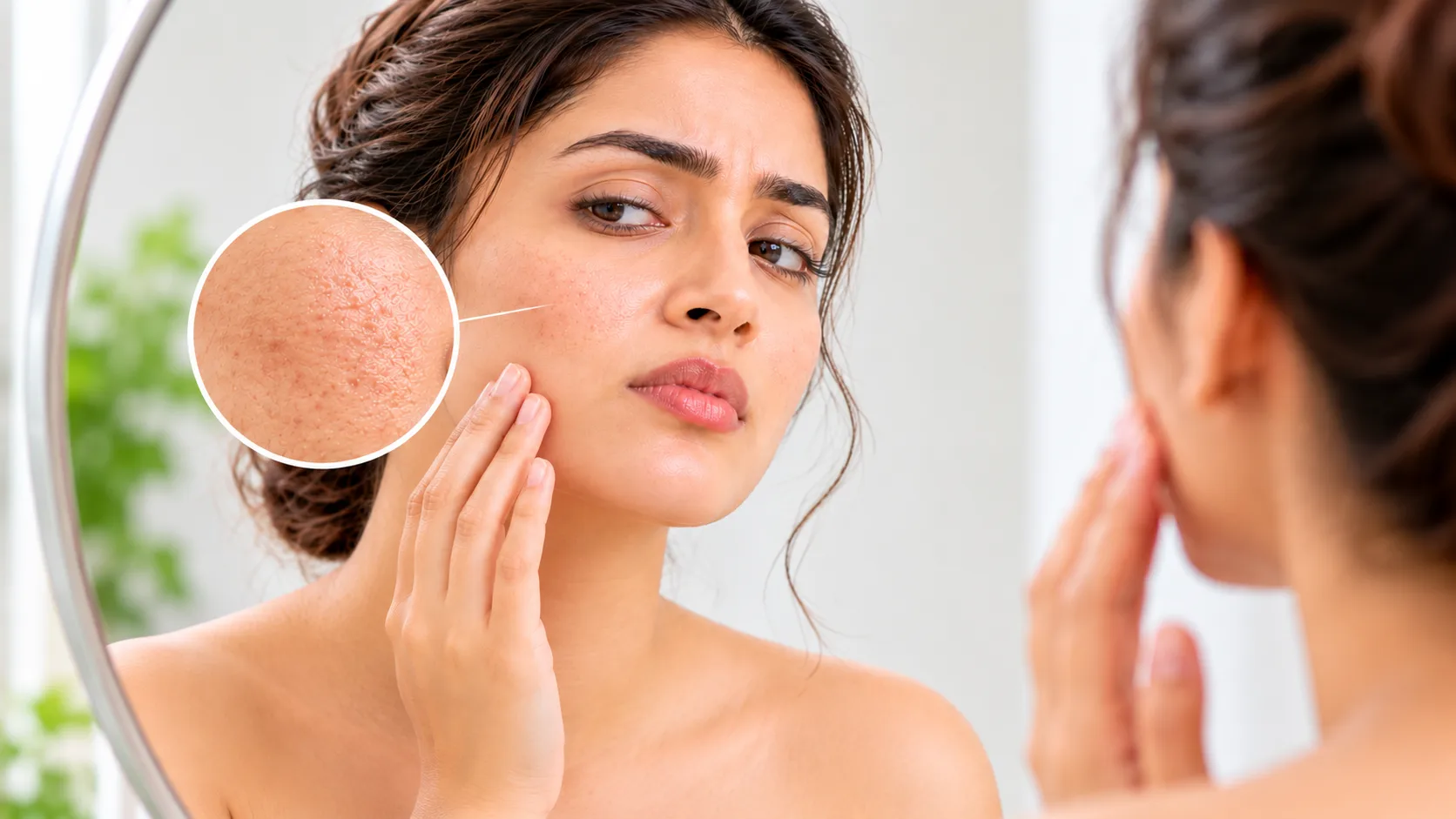
Skin texture refers to how the surface of your skin looks and feels. Healthy skin generally has a soft, smooth, and relatively even surface. When the skin develops roughness, bumps, visible pores, acne scars, or dry patches, it may indicate Skin Texture Problems.
These concerns can affect the face, neck, and other areas of the body. Some texture changes are temporary, while others may require professional skincare or dermatological treatment.
Common signs of uneven skin texture include:
- Rough or bumpy skin surface.
- Enlarged or visible pores.
- Acne scars and pitted marks.
- Dry, flaky, or rough patches.
- Fine lines and wrinkles.
- Small bumps caused by clogged pores.
- Uneven skin surface due to sun damage.
What Causes Uneven Skin Texture?
Several internal and external factors can affect the skin’s natural texture. Identifying the causes of uneven skin texture helps determine the most suitable approach to improving skin health.
1. Acne and Acne Scarring
Acne can leave behind scars, enlarged pores, and uneven areas on the skin. Inflammatory acne may damage the deeper layers of the skin, resulting in depressed or raised scars that affect its smoothness.
2. Excess Oil and Clogged Pores
Excess sebum, dead skin cells, and dirt can accumulate inside the pores. This may lead to blackheads, whiteheads, and small bumps, making the skin appear rough and uneven.
3. Sun Damage
Prolonged exposure to ultraviolet (UV) rays can damage collagen and elastin, which are responsible for maintaining skin firmness and elasticity. Over time, this may contribute to rough skin, fine lines, pigmentation, and uneven texture.
4. Dehydration and Dryness
When the skin lacks sufficient moisture, it may become rough, flaky, and less supple. Dehydration can also make fine lines more noticeable and affect the skin’s overall appearance.
5. Ageing
As people age, natural collagen and elastin production gradually decreases. Skin cell renewal also slows down, which can contribute to wrinkles, enlarged pores, and uneven skin texture.
6. Hormonal Changes
Hormonal fluctuations can influence oil production and contribute to acne breakouts. These changes may result in clogged pores, blemishes, and an uneven skin surface.
7. Improper Skincare Routine
Using harsh skincare products, over-exfoliating, skipping moisturiser, or choosing products unsuitable for your skin type can damage the skin barrier. This may lead to irritation, dryness, and roughness.
How to Improve Skin Texture?
Improving skin texture requires a combination of proper skincare, healthy habits, and treatments suited to individual skin concerns. Here are some effective ways to maintain smoother and healthier-looking skin.
1. Follow a Consistent Skincare Routine
A simple skincare routine helps maintain skin health and prevent common texture concerns. Cleanse your face twice daily using a gentle cleanser, followed by a suitable moisturiser to maintain hydration.
2. Exfoliate Regularly
Exfoliation helps remove dead skin cells that accumulate on the surface. Ingredients such as AHAs (alpha hydroxy acids) and BHAs (beta hydroxy acids) can improve skin smoothness and unclog pores. However, avoid excessive exfoliation, as it may cause irritation.
3. Apply Sunscreen Daily
Sun protection is essential for maintaining healthy skin. Use a broad-spectrum sunscreen with SPF 30 or higher, even on cloudy days. Regular sunscreen use helps prevent UV damage, premature ageing, and uneven skin texture.
4. Keep Your Skin Hydrated
Use a moisturiser suitable for your skin type to maintain hydration and support the skin barrier. Ingredients such as hyaluronic acid and ceramides can help improve skin hydration and softness.
5. Maintain a Healthy Diet
A balanced diet containing fruits, vegetables, healthy fats, and antioxidant-rich foods supports overall skin health. Drinking enough water also helps maintain normal hydration levels.
6. Avoid Picking or Scrubbing Your Skin
Picking acne, squeezing blackheads, or scrubbing the face aggressively can cause irritation, inflammation, and scarring. Gentle skincare practices help protect the skin and prevent further damage.
How to Get Smooth Skin: Dermatological Treatments
When skincare products and lifestyle changes are not enough, professional dermatological treatments can help address persistent texture concerns. The right treatment depends on the underlying cause, skin type, and severity of the condition.
Here are some commonly recommended Treatments for Uneven Skin Texture.
1. Chemical Peels
Chemical peels use specially formulated acids to exfoliate the outer layers of the skin. They help remove dead skin cells, improve skin tone, reduce mild acne marks, and promote smoother skin.
2. Microneedling
Microneedling involves using fine, sterile needles to create controlled micro-injuries in the skin. This stimulates the natural collagen production process and may improve acne scars, enlarged pores, and uneven skin texture.
3. Laser Skin Resurfacing
Laser treatments use concentrated light energy to improve skin surface irregularities and stimulate collagen production. Depending on the type of laser, they can help address acne scars, fine lines, sun damage, and rough skin.
4. HydraFacial
HydraFacial is a skin treatment that combines cleansing, exfoliation, extraction, and hydration. It helps remove impurities, clear clogged pores, and improve skin hydration, leaving the skin feeling smoother and refreshed.
5. PRP Therapy
Platelet-Rich Plasma (PRP) therapy uses platelet-rich components prepared from the patient’s own blood. It may be used alongside certain dermatological procedures to support skin rejuvenation and improve the appearance of acne scars and fine lines.
6. Microdermabrasion
Microdermabrasion is a minimally invasive exfoliation procedure that removes dead skin cells from the outermost layer of the skin. It can help improve mild roughness, dullness, and superficial texture irregularities.
Note: Not every treatment is suitable for everyone. A dermatologist should evaluate your skin and recommend an appropriate treatment based on your individual concerns.
When Should You Consult a Dermatologist?
Occasional roughness or dryness can often improve with proper skincare. However, persistent or worsening skin texture concerns may require professional evaluation.
Consider consulting a dermatologist if you experience:
- Persistent roughness or bumps despite following a skincare routine.
- Deep acne scars or noticeable skin depressions.
- Frequent acne breakouts and clogged pores.
- Sudden changes in skin texture.
- Persistent redness, irritation, or unexplained skin changes.
- Skin concerns that affect your confidence or daily life.
Early evaluation can help identify the underlying cause and prevent certain skin concerns from becoming more difficult to manage.
Improve Your Skin Texture with Expert Care at IESH Ayurveda & Cosmetology Clinic
IESH Ayurveda & Cosmetology Clinic offers professional skin and hair care services designed to address different dermatological and cosmetic concerns.
If you are experiencing uneven skin texture, acne scars, enlarged pores, pigmentation, or rough skin, a professional skin assessment can help identify the most suitable treatment approach.
Depending on your skin condition and treatment requirements, available cosmetology procedures may include:
- Chemical Peels: To improve surface irregularities, mild pigmentation, and dullness.
- Microneedling: To support collagen production and improve the appearance of acne scars.
- HydraFacial: To cleanse, exfoliate, and hydrate the skin.
- PRP Treatments: To support skin rejuvenation.
- Other Skin Rejuvenation Procedures: Selected according to individual skin concerns.
At IESH, the focus is on understanding individual skin needs and recommending suitable treatment options. With professional guidance and an appropriate skincare routine, you can work towards smoother, healthier-looking skin.
Consult the skin care team at IESH Ayurveda & Cosmetology Clinic in Thrissur or Calicut for a personalised skin assessment.
Conclusion
Healthy and smooth skin requires consistent care and attention. Skin Texture Problems can develop due to several factors, including acne, sun exposure, clogged pores, dehydration, and aging. Understanding these causes helps you choose the right skincare routine and treatment options.
While daily skincare plays an important role in maintaining skin health, professional procedures can help address more persistent texture concerns. With the right approach and expert guidance, you can improve skin smoothness and maintain healthier-looking skin over time.
Looking for professional skin care in Thrissur or Calicut? Consult IESH Ayurveda & Cosmetology Clinic for personalised skin care solutions.
FAQs
1. What are the main causes of uneven skin texture?
Common causes include acne scars, clogged pores, excess oil production, sun damage, dehydration, aging, and improper skincare practices.
2. How can I improve my skin texture naturally?
Follow a consistent skincare routine, moisturise regularly, use sunscreen, eat a balanced diet, stay hydrated, and avoid harsh scrubbing.
3. How long does it take to improve skin texture?
It depends on the underlying concern and treatment method. Minor dryness may improve within days, while acne scars and deeper texture irregularities may require several weeks or months of treatment.
4. Can exfoliation help with uneven skin texture?
Yes. Gentle exfoliation helps remove dead skin cells, unclog pores, and improve surface smoothness. However, excessive exfoliation can damage the skin barrier.
5. Which treatment is best for uneven skin texture?
The best Skin Texture Treatment depends on the cause. Chemical peels, microneedling, laser resurfacing, and HydraFacial may be recommended for different skin concerns following professional assessment.