
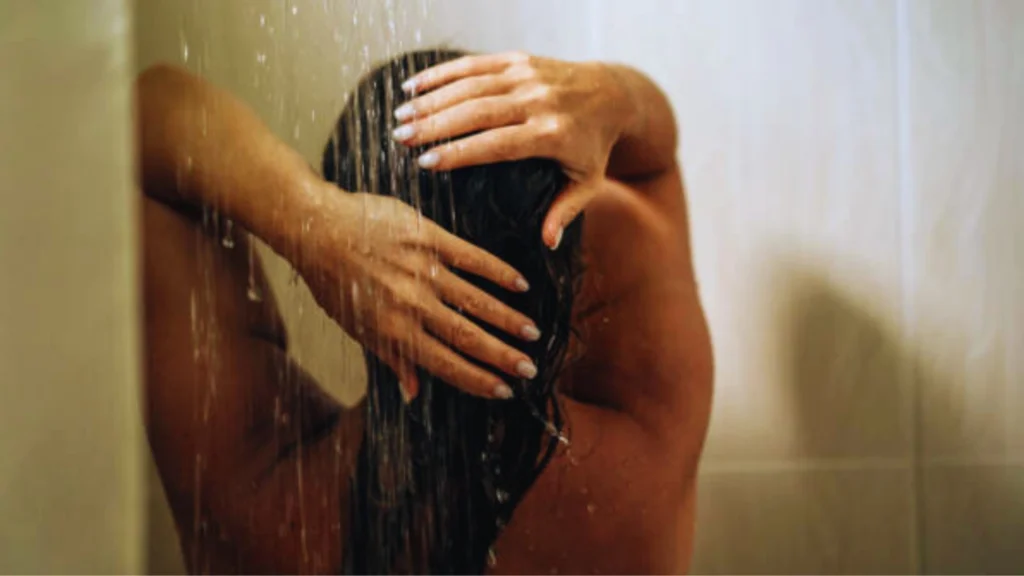
Hair washing may seem like a simple daily habit, yet many people unknowingly follow practices that damage their scalp and hair over time. Using very hot water, applying shampoo incorrectly, or washing too frequently can strip the scalp of its natural oils. This often leads to dryness, breakage, dandruff, dullness, and even hair fall.
According to hair care experts, poor washing habits are one of the most common reasons behind scalp imbalance and weakened hair strands. By learning how to properly wash your hair, you can significantly improve scalp health, strengthen hair roots, and maintain natural shine. With the right hair washing method, hair cleansing becomes a nourishing routine rather than a damaging one.
Why Proper Hair Washing Matters
Understanding the correct way to wash hair is essential for maintaining a healthy scalp and supporting hair growth. Proper washing removes dirt, excess oil, and product buildup that can clog hair follicles and slow down growth. When scalp hygiene is neglected, problems such as dandruff, itching, and hair thinning can develop.
On the other hand, overwashing can be equally harmful. Washing too often strips away protective natural oils, leaving the scalp dry and irritated. Balanced washing supports scalp health, improves hair texture, and reduces breakage. Small improvements in your routine can make a big difference in long-term hair nourishment and strength.
Hair Washing Steps: A Step-by-Step Guide
Understanding how to properly wash your hair is essential for maintaining a healthy scalp, reducing breakage, and enhancing natural shine. Following the right hair-washing steps ensures effective cleansing without stripping natural oils, helping your hair stay strong, smooth, and well-nourished.
Prepare Your Hair
Brush your hair gently before washing to remove tangles and loosen dirt or product buildup. This step helps reduce breakage and makes the washing process more effective.
Wet Your Hair Thoroughly
Use lukewarm water to fully soak your hair from scalp to ends. Lukewarm water helps cleanse effectively without stripping natural oils. Avoid hot water, as it can dry out the scalp and weaken hair strands.
Apply Shampoo Correctly
Take a small coin-sized or quarter-sized amount of shampoo, depending on your hair length. Rub it between your palms and apply only to the scalp. Focus on cleansing the scalp, as the ends will be cleaned naturally while rinsing.
Lather and Massage Gently
Massage your scalp using your fingertips in gentle circular motions for 1–2 minutes. This improves blood circulation, removes buildup, and supports hair strengthening tips and healthy growth.
Rinse Thoroughly
Rinse until all shampoo residue is completely removed. Leftover shampoo can cause itchiness, dullness, and product buildup.
Apply Conditioner
Apply conditioner from the mid-lengths to the ends of your hair. Avoid the scalp to prevent greasiness. Leave it on for 2–5 minutes to allow deep moisture absorption and hair nourishment.
Final Rinse
Finish with cool water. Cool water helps close the hair cuticles, locking in moisture and enhancing natural shine.
Common Hair Washing Mistakes to Avoid
Using Hot Water
Hot water strips away natural oils, causing dryness and frizz. Lukewarm or cool water is the best way to wash hair naturally.
Applying Shampoo to Dry Hair
Always wet your hair completely before applying shampoo. Shampoo works best when activated with water.
Overusing Shampoo or Conditioner
More product does not mean better cleaning. Excess shampoo dries the scalp, while too much conditioner causes heaviness and buildup.
Scrubbing the Scalp Harshly
Scratching with nails can irritate the scalp and damage hair roots. A gentle fingertip massage is key to hair fall prevention.
How Often Should You Wash Your Hair?
Knowing how to properly wash your hair also means understanding the right washing frequency for your hair type. Washing too often or too little can disrupt scalp balance, so choosing the correct routine helps maintain healthy oils, prevent damage, and support overall hair health.
Oily Hair
Wash every other day to control excess oil without triggering more sebum production.
Dry or Damaged Hair
Wash 1–2 times per week. Use hydrating products to maintain moisture and prevent further dryness.
Curly Hair
Curly hair needs less frequent washing as natural oils take longer to travel along the hair shaft. Once a week, co-washing helps maintain hydration and reduce frizz.
Understanding how often you should wash your hair based on your hair type is essential for a balanced natural hair care routine.
Choosing the Right Hair Care Products
Go Sulfate-Free
Sulfate-free shampoos gently cleanse without stripping moisture, making them ideal for sensitive, dry, curly, or treated hair.
Choose the Right Conditioner
- Dry or damaged hair: Look for shea butter, argan oil, or coconut oil
- Oily hair: Use lightweight conditioners on the ends only
- Curly or frizzy hair: Choose moisturising and smoothing formulas
The right product combination plays a major role in long-term hair nourishment and strength.
Drying Your Hair the Right Way
Avoid rubbing your hair aggressively with a towel. Wet hair is fragile and prone to breakage. Instead, gently pat dry using a soft towel or cotton cloth. If using heat tools, apply a heat protectant and use low to medium heat settings to reduce damage.
Professional Hair Care Support at IESH, Thrissur
While home care is essential, persistent hair concerns often need professional guidance. IESH Ayurveda & Cosmetology Clinic in Thrissur offers expert solutions that combine Ayurvedic principles with modern hair science.
Recognized as the best hair care clinic in Thrissur, IESH focuses on:
- Detailed scalp and hair analysis
- Personalized hair care routines
- Advanced and natural hair therapies
- Long-term solutions for hair fall, scalp issues, and weak hair
For those looking for the best hair treatments in Thrissur, professional care at IESH ensures safe, effective, and visible improvement in hair health.
Final Thoughts
Learning how to properly wash your hair forms the foundation of healthy, strong, and shiny hair. From choosing the right products to following correct washing and drying techniques, every step matters. Combined with expert guidance when needed, these practices help maintain scalp health, prevent hair fall, and support natural hair growth. With consistency and the right care, your hair will reward you with better texture, strength, and lasting shine.
1. What is the correct way to wash your hair?
Wet hair thoroughly, apply shampoo to the scalp, massage gently, rinse well, and use conditioner on the lengths only.
2. How do you know if you washed your hair correctly?
Your scalp feels clean, not itchy or oily, and your hair feels soft—not dry or greasy.
3. What are signs of overwashing hair?
Dryness, frizz, dullness, increased hair fall, and an itchy or flaky scalp.
4. What is poor hair hygiene?
Infrequent washing, product buildup, dandruff, scalp odor, or excessive oil and dirt.
5. Are you supposed to shampoo your hair or your scalp?
Shampoo the scalp to remove oil and dirt; the hair lengths get cleansed while rinsing.

Dr. Divya Dileep, the visionary behind IESH Ayurveda, is an experienced Ayurvedic doctor and certified Aesthetic Physician from ILAMED (Greifswald University, Germany). With several years of expertise in modern cosmetology, she has worked with leading aesthetic centers across Kerala, offering treatments like PRP, Mesotherapy, Micro-needling, Peels, Lasers, and more. Dr. Divya is also skilled in Hijama (Cupping Therapy) and Ayurvedic cosmetic product formulation. Her unique approach combines the principles of Ayurveda with modern cosmetology, making IESH a center for holistic wellness and beauty care. At IESH, the goal is to explore new possibilities in the Ayurvedic field and promote overall wellness.