What Is Karkidaka Chikitsa?
Karkidaka Chikitsa refers to traditional Ayurvedic health and wellness practices associated with the month of Karkidakam. In Kerala, this season is often considered an opportunity to pay closer attention to physical well-being, follow suitable dietary habits, and incorporate traditional Ayurvedic therapies into daily life.
Depending on individual requirements, a Karkidaka wellness plan may include oil massage, herbal therapies, dietary guidance, rest, and other Ayurvedic practices. The exact treatment varies according to health status, age, lifestyle, and the practitioner’s recommendations. Rather than following a fixed treatment for everyone, the approach emphasizes individualized care and appropriate seasonal routines.
Why Is Karkidaka Chikitsa Important in Ayurveda?
Karkidakam is traditionally regarded as a period for rejuvenation and renewed attention to wellness in Kerala’s Ayurvedic culture. Seasonal changes may influence daily routines, appetite, physical comfort, and lifestyle habits, making this a popular time for people to explore traditional wellness practices.
Karkidaka Chikitsa treatment emphasizes maintaining balance through suitable food choices, adequate rest, personal care, and therapies selected by qualified practitioners. Its main purpose is to encourage a thoughtful approach to wellness rather than relying on a single treatment or procedure.
Types of Treatments Included in Karkidaka Chikitsa
The therapies included in a Karkidaka wellness plan depend on the practitioner’s assessment and the services available at the clinic.
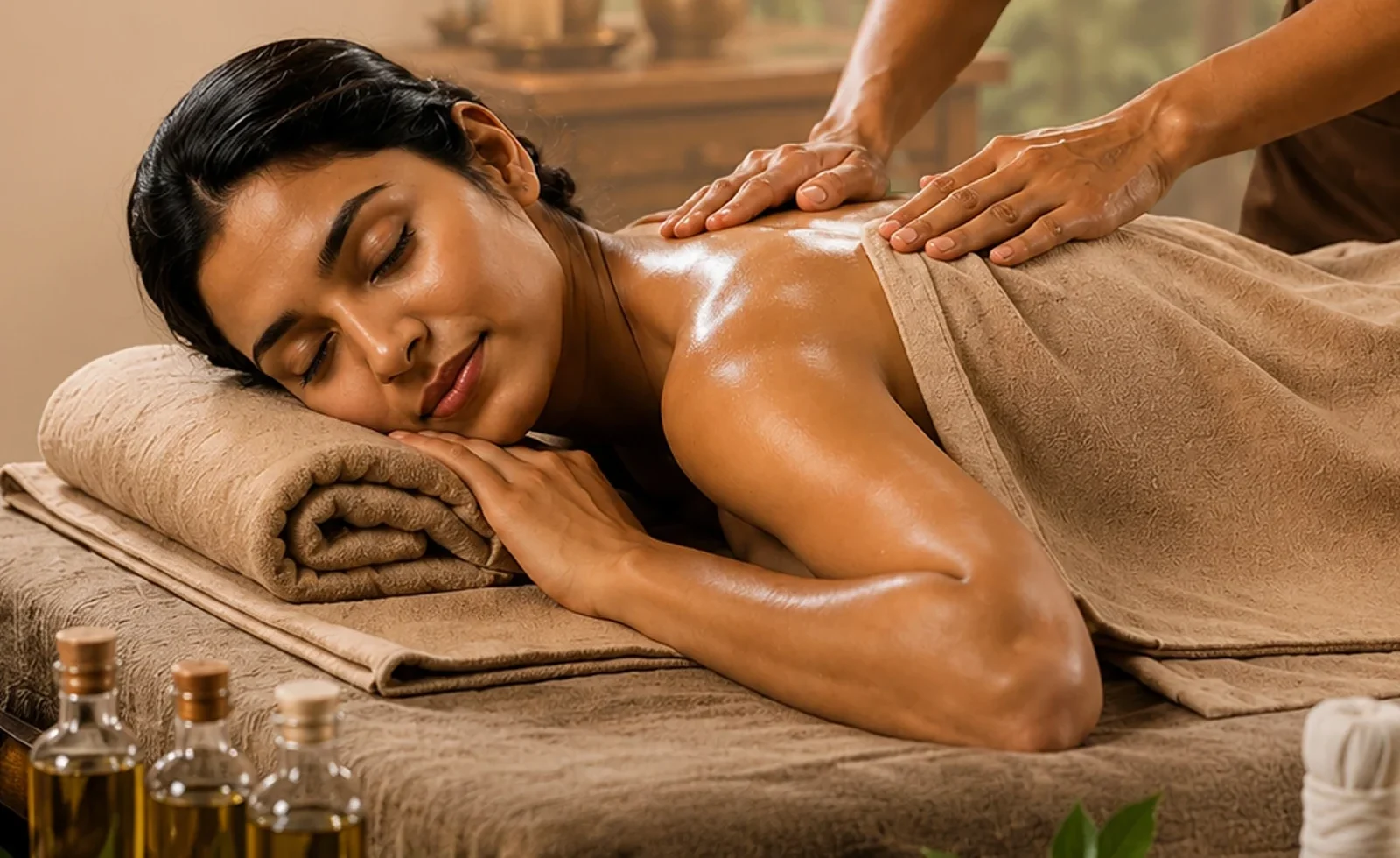
1. Abhyanga – Ayurvedic Oil Massage
Abhyanga is a traditional Ayurvedic massage that involves applying suitable herbal oils to the body using specific massage movements. It is commonly associated with relaxation, skin nourishment, and physical comfort. The oil and massage technique should be selected according to individual needs.
2. Kizhi – Herbal Poultice Therapy
Kizhi involves applying warm cloth bundles containing selected herbs, leaves, or powders to specific areas of the body. The ingredients and application method depend on the type of Kizhi prescribed. This therapy is traditionally used to support relaxation and muscular comfort.
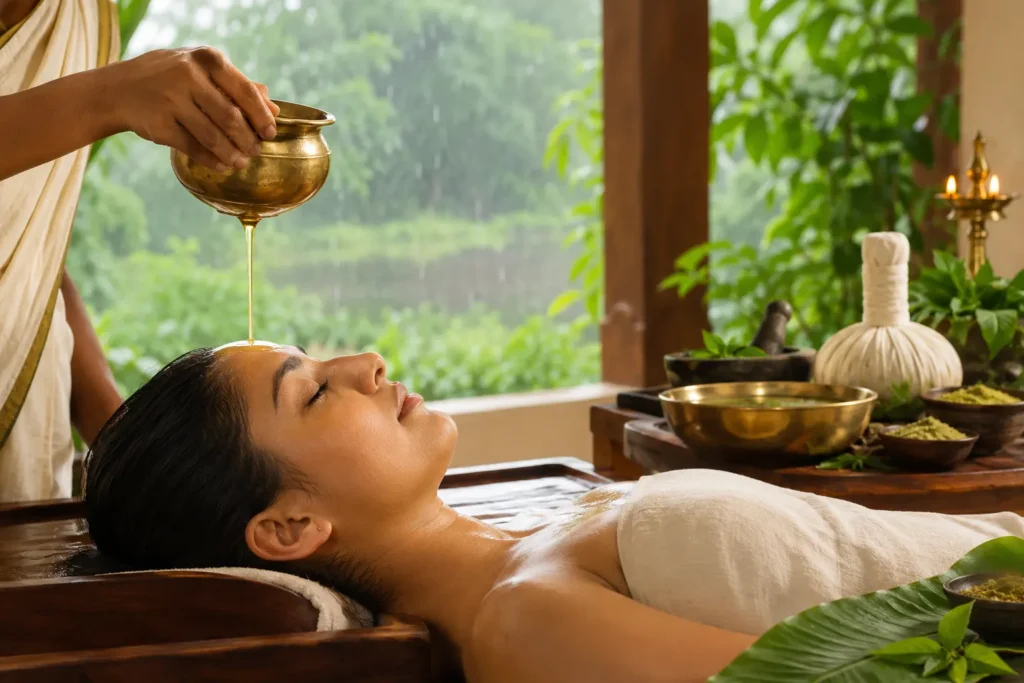
3. Dhara – Rhythmic Liquid Therapy
Dhara involves the controlled, continuous pouring of a selected therapeutic liquid over the body or a specific area. Depending on the type of Dhara, herbal oils or other prescribed liquids may be used. It is traditionally associated with relaxation and a soothing treatment experience.
4. Herbal Body Care
Herbal body-care treatments may use suitable oils or plant-based preparations as part of a personalized wellness routine. The choice of preparation depends on skin type, individual concerns, and professional guidance.
Karkidaka Chikitsa Treatment: What to Expect
A Karkidaka Chikitsa programme may involve several stages, depending on the selected therapies and your individual wellness goals.
1. Initial Consultation
The practitioner discusses your health history, daily habits, current concerns, and expectations before recommending a suitable approach.
2. Personalized Treatment Planning
Based on the assessment, the practitioner may suggest appropriate Ayurvedic therapies, dietary guidance, and lifestyle practices.
3. Selection of Therapies
Suitable treatments are chosen according to your requirements. Not every person needs the same combination of therapies, and some treatments may not be appropriate for certain health conditions.
4. Treatment Sessions
The recommended therapies are carried out using the techniques and preparations appropriate for the selected treatment.
5. Lifestyle and Dietary Guidance
You may receive recommendations about meals, rest, hydration, and daily routines to complement your wellness plan.
6. Follow-Up and Guidance
The practitioner can review your experience and advise whether any changes to the treatment plan are needed.
Karkidaka Chikitsa Diet and Lifestyle
Diet and daily habits are important elements of traditional Karkidaka wellness practices. Recommendations should be tailored to individual needs rather than following a restrictive or identical diet for everyone.
Balanced Meals: Choose nutritious meals appropriate for your health and dietary requirements.
Regular Meal Timings: Maintaining consistent meal times can support everyday routine and comfort.
Adequate Rest: Prioritize sufficient sleep and recovery.
Appropriate Hydration: Drink adequate fluids according to your needs and any medical advice.
Gentle Physical Activity: Choose activity suited to your fitness level and health status.
Professional Guidance: Consult a qualified practitioner before starting herbal supplements, restrictive diets, or intensive treatments.
Traditional seasonal practices can be adapted to modern lifestyles while maintaining an emphasis on safety and individual suitability.
Who Can Consider Karkidaka Chikitsa?
Karkidaka Chikitsa treatment may appeal to individuals who want to explore traditional Ayurvedic wellness practices, particularly during the Karkidakam season.
It may be worth discussing with a qualified practitioner if you:
Want to incorporate seasonal wellness practices into your routine.
Are interested in traditional Ayurvedic body-care therapies.
Want guidance on suitable diet and lifestyle habits.
Prefer a personalized approach to relaxation and self-care.
Want to learn more about traditional Kerala Ayurvedic practices.
Karkidaka Chikitsa is not suitable for everyone in the same form. People who are pregnant, elderly, taking regular medication, or living with chronic medical conditions should discuss their circumstances with a qualified healthcare professional before beginning treatment.