
Loading...

Kizhi Treatment

Kizhi Treatment in Thrissur & Calicut

Kizhi Treatment in Thrissur & Calicut

Experience Traditional Ayurvedic Kizhi Therapy

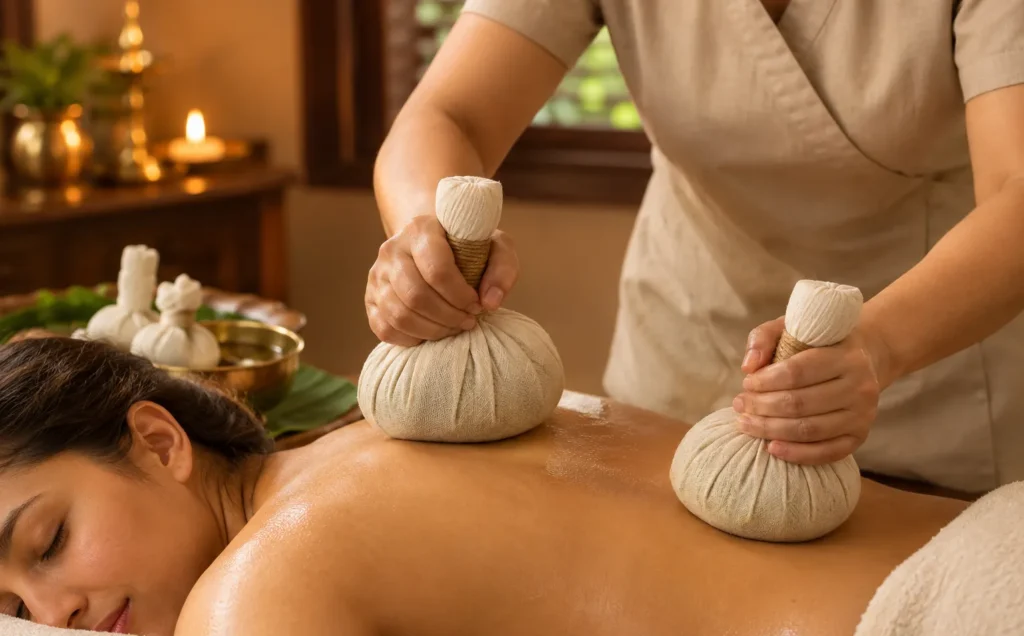
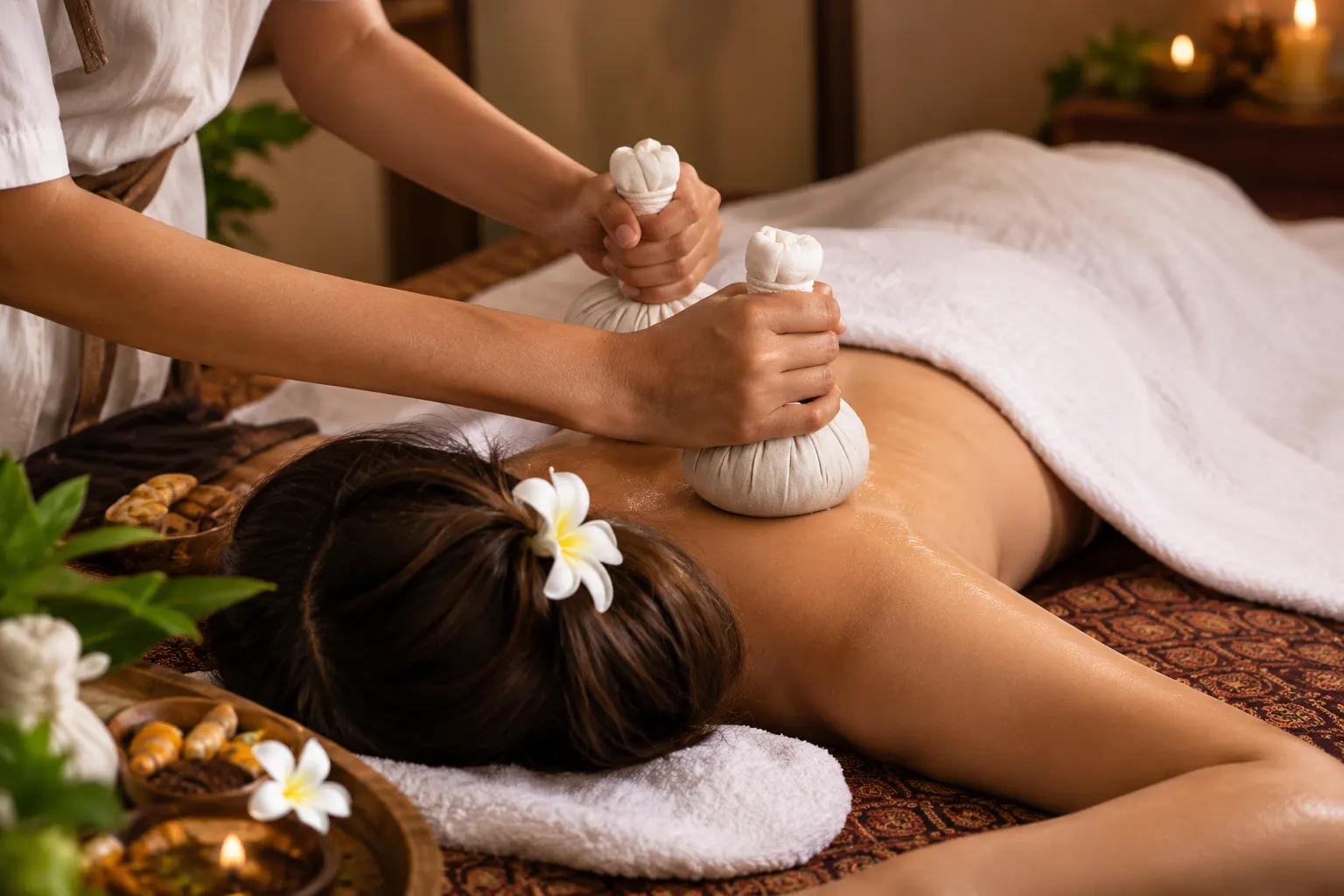
Kizhi is a traditional Ayurvedic therapy that involves applying warm herbal poultices to the body using gentle, rhythmic movements. These poultices, prepared with medicinal leaves, herbs, or powders, are applied to specific areas according to individual needs. Kizhi is traditionally used to promote relaxation, ease muscular tension, and support physical comfort. At IESH Ayurveda & Cosmetology Clinic, the treatment is personalized according to the practitioner's assessment. If you are looking for the best Kizhi treatment in Thrissur & Calicut, IESH helps you explore suitable treatment options.

What Is Kizhi Treatment?

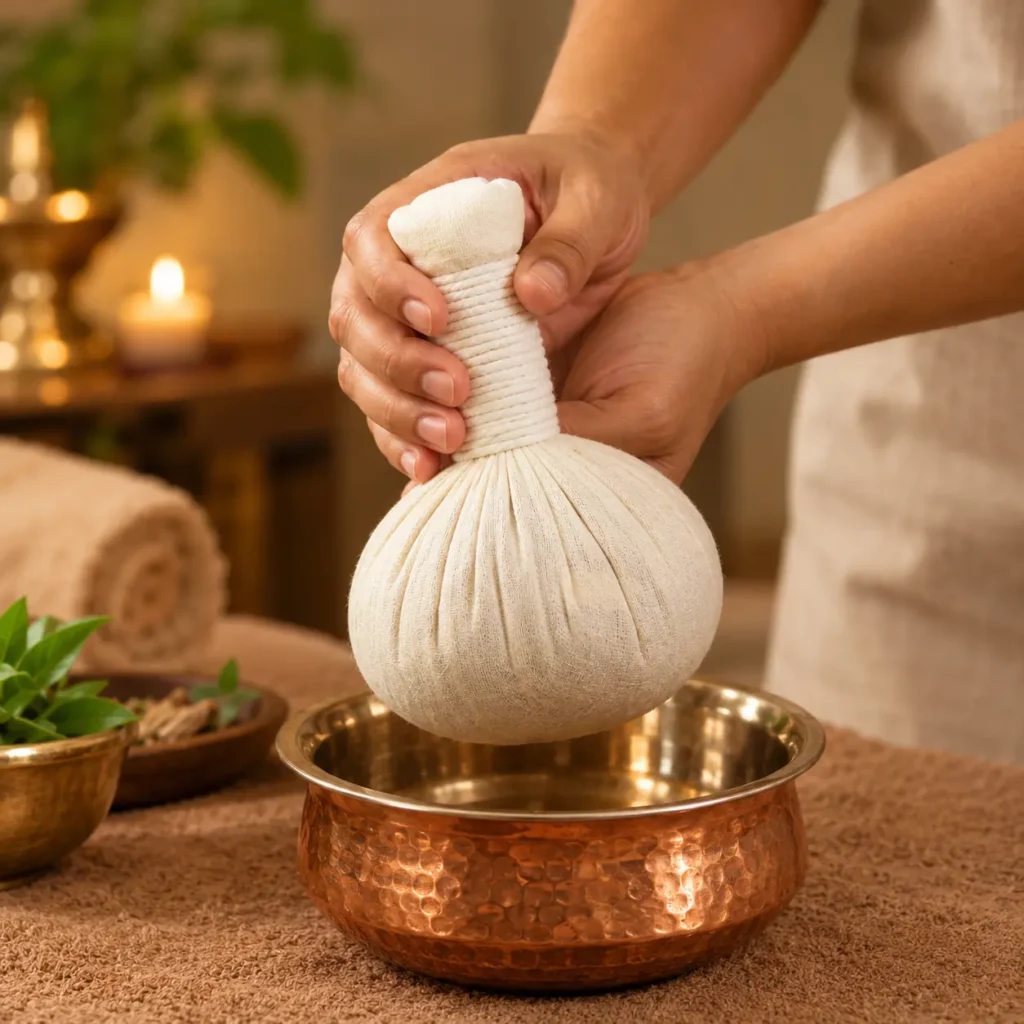
Kizhi is an Ayurvedic treatment in which herbs, medicinal leaves, powders, or other prescribed ingredients are tied into small cloth bundles called kizhis. These bundles are warmed and gently pressed or applied to selected areas of the body using specific techniques.

The ingredients and method used depend on the type of Kizhi prescribed. Some varieties use herbal leaves, while others contain medicinal powders or rice preparations. The warmth and rhythmic application are intended to provide a soothing experience and help relieve feelings of muscular tightness.

Kizhi is commonly included in traditional Ayurvedic treatment plans for physical comfort, relaxation, and wellness. A qualified practitioner determines the appropriate technique based on individual needs and health conditions.

Types of Kizhi Treatment

Different types of Kizhi use different ingredients and application methods. The choice depends on the intended purpose of the treatment and the practitioner’s recommendation.

1. Ela Kizhi (Leaf Poultice Therapy)

Ela Kizhi uses medicinal leaves and selected herbal ingredients wrapped in cloth bundles. The warmed poultices are applied to the body using rhythmic movements and gentle pressure. This traditional therapy is commonly used in Ayurvedic care for muscular comfort and relaxation.

2. Podi Kizhi (Herbal Powder Poultice)

Podi Kizhi involves cloth bundles filled with selected herbal powders. The bundles are warmed and applied to specific body areas according to the treatment plan. This method is traditionally used to support physical comfort and is selected based on individual requirements.

3. Njavara Kizhi (Rice Poultice Therapy)

Njavara Kizhi uses special rice cooked with prescribed herbal liquids and milk, then wrapped in cloth bundles. The warm bundles are applied to the body using specific techniques. This therapy is traditionally associated with nourishment and rejuvenation and may be recommended as part of a supervised Ayurvedic treatment plan.

4. Manal Kizhi (Sand Poultice Therapy)

Manal Kizhi uses sand enclosed in cloth bundles that are warmed and applied to selected areas. It is a specialized traditional therapy that requires appropriate temperature control and professional supervision.

The availability of specific Kizhi varieties depends on the clinic’s services and the practitioner’s assessment.

How Is Kizhi Treatment Performed?

Kizhi treatment follows a structured process based on the selected therapy and the individual’s needs.

1. Initial Consultation

The practitioner reviews your health history, current concerns, and treatment goals to determine whether Kizhi is suitable.

2. Selection of Ingredients

The appropriate herbs, leaves, powders, rice preparations, or other prescribed ingredients are selected according to the recommended Kizhi method.

3. Preparation of the Poultices

The ingredients are packed into clean cloth bundles and warmed using the method appropriate for the treatment.

4. Application of Kizhi

The warmed bundles are gently pressed or moved over selected areas of the body using controlled movements. The pressure and temperature are monitored throughout the session.

5. Post-Treatment Care

The practitioner provides instructions based on the treatment performed, including any recommendations for bathing, rest, or follow-up sessions.

Benefits of Kizhi Treatment

Kizhi is valued in traditional Ayurvedic practice for its use of warmth, herbal preparations, and controlled application techniques. Depending on the type of Kizhi and individual suitability, potential benefits may include:

Promotes Relaxation

The warmth and rhythmic application can create a soothing treatment experience.

Supports Muscular Comfort

Warm poultices may help ease feelings of everyday muscular tightness.

Helps Relieve Stiffness

Certain techniques may provide temporary comfort for mild stiffness.
Kizhi Treatment

Encourages Physical Relaxation

The treatment offers a calming approach to traditional body care.

Supports Skin Nourishment

Some preparations may provide skin-conditioning benefits, depending on the ingredients used.

Complements Ayurvedic Wellness

Kizhi may form part of a broader treatment plan recommended by a qualified practitioner.
Why Choose IESH for Kizhi Treatment?

At IESH Ayurveda & Cosmetology Clinic, our approach to Ayurvedic body care focuses on individual needs, comfort, and appropriate treatment guidance. The selection of Kizhi type, ingredients, and application method should be based on a practitioner’s assessment rather than a one-size-fits-all approach.

We aim to help individuals understand the treatment process and explore suitable wellness options according to their requirements. If you are searching for the best Kizhi treatment in Thrissur & Calicut, IESH can help you enquire about available Ayurvedic therapies and treatment suitability.

For those looking for the best body care clinic in Thrissur & Calicut, IESH offers a range of body-care and wellness services to explore based on individual needs. Contact our team to learn more about Kizhi treatment and the options available at our Thrissur and Calicut locations.

Kizhi Therapy
Do You Have Any Queries?

FAQs

How long does a Kizhi session take?
The duration depends on the type of Kizhi, the areas treated, and the prescribed treatment plan. Your practitioner can explain the expected session length before starting.
Can Kizhi help with muscle stiffness?
Certain Kizhi techniques use warmth and controlled application that may provide temporary relief from mild muscular stiffness. Persistent, severe, or unexplained pain requires medical evaluation.
Is Kizhi treatment suitable for everyone?
No. Suitability depends on individual health conditions, skin sensitivity, and the type of Kizhi used. A qualified practitioner should assess your needs before treatment.
Is Kizhi treatment painful?
Kizhi is generally performed using controlled pressure and carefully monitored warmth. It should not cause burning or significant pain. Inform the practitioner immediately if you experience discomfort.

Schedule A Consultation

Send As A Message
Consultation Form