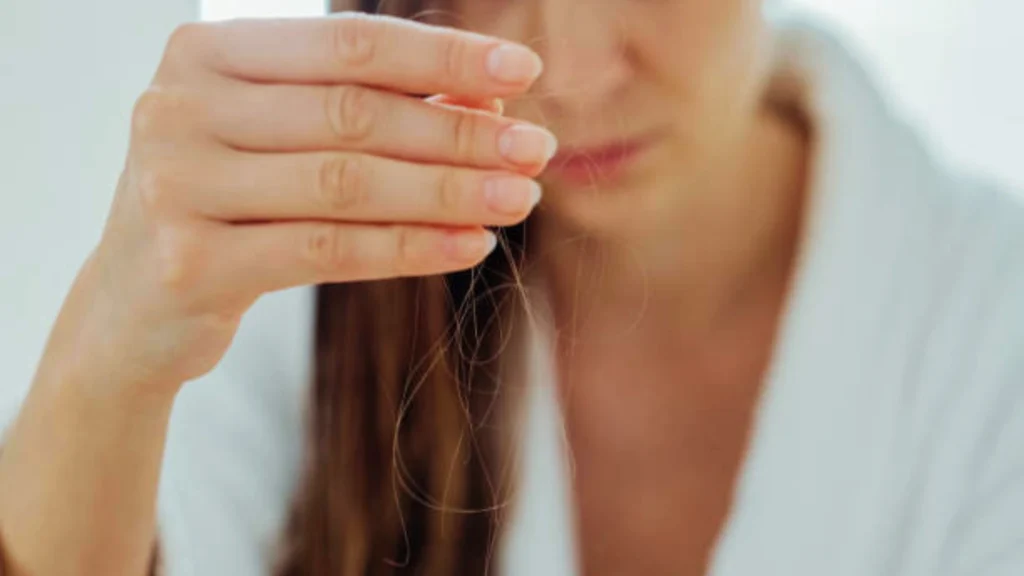
Hair loss in women has become an increasingly common concern, affecting confidence and overall well-being. While occasional hair fall is normal, excessive shedding often signals an underlying issue. One of the most significant yet overlooked reasons is hormonal imbalance.
Understanding which hormone causes hair loss in females is crucial for identifying the root cause and choosing the right treatment. Hormones play a vital role in regulating the hair growth cycle, and even a slight imbalance can disrupt this process, leading to thinning or hair fall.
From stress and lifestyle changes to medical conditions like PCOS and thyroid disorders, multiple factors can influence hormonal health. By recognizing the connection between hormones and hair loss, women can take targeted steps toward healthier, stronger hair.
Understanding Hair Growth and Hormones
Hair growth occurs in a natural cycle consisting of three phases: anagen (growth phase), catagen (transition phase), and telogen (resting/shedding phase). Each strand of hair goes through this cycle independently, ensuring continuous hair growth.
Hormones play a key role in regulating this cycle. When hormone levels are balanced, hair grows normally and sheds at a healthy rate. However, any imbalance can disrupt the cycle, pushing more hair prematurely into the shedding phase.
This disruption often results in noticeable thinning, reduced hair density, and increased hair fall. Hormonal fluctuations can shorten the growth phase or weaken hair follicles, making strands thinner and more prone to breakage. This is why hormonal imbalance is a leading cause of hair fall in women.
Which Hormone Causes Hair Loss in Females?
The primary hormone responsible for hair loss in women is Dihydrotestosterone (DHT). It is a derivative of testosterone and plays a major role in hormonal hair loss in women.
DHT affects hair follicles by shrinking them over time, a process known as miniaturization. As the follicles shrink, they begin to produce finer and weaker hair strands. Eventually, the growth cycle shortens, and hair stops growing altogether in affected areas.
This condition is commonly referred to as androgenetic alopecia and is a major cause of DHT hair loss in female cases. While DHT is naturally present in the body, increased sensitivity of hair follicles to this hormone can trigger excessive hair fall.
Understanding the role of DHT helps in selecting targeted treatments that block or reduce its impact, making it easier to control and prevent further hair loss.
Other Hormonal Causes of Hair Loss in Women
Apart from DHT, several other hormonal imbalances contribute to hair loss. These are among the most common causes of hair loss in females:
Estrogen Imbalance: Estrogen helps maintain hair growth. A sudden drop in estrogen levels, especially after pregnancy or during menopause, can lead to increased hair shedding and thinning.
Thyroid Hormones: Both hypothyroidism and hyperthyroidism can disrupt the hair growth cycle. Thyroid imbalance often results in dry, brittle hair and noticeable hair fall.
Cortisol (Stress Hormone): High stress levels increase cortisol production, which can push hair follicles into the resting phase, causing excessive shedding. This type of hair fall is often temporary, but can become severe if stress persists.
Insulin Imbalance (PCOS): Women with PCOS often experience insulin resistance, which can increase androgen levels (male hormones), including DHT. This leads to thinning hair, especially near the scalp and crown area.
These female hair loss hormones collectively impact hair health, making it important to identify and treat the exact cause.
Symptoms of Hormonal Hair Loss
Hormonal hair loss often develops gradually and may include the following signs:
- Thinning hair across the scalp
- Noticeable hair loss near the crown
- Excessive shedding during washing or combing
- Irregular menstrual cycles
- Acne, weight gain, or other PCOS-related symptoms
Recognizing these symptoms early can help in managing hair fall due to hormonal imbalance effectively.
How to Control Hormonal Hair Loss Naturally
Managing hormonal hair loss naturally requires a holistic approach. If you’re wondering how to stop hormonal hair loss in females, these steps can help:
- Balanced Diet: Include iron-rich foods, proteins, and vitamins like biotin and vitamin D to support hair growth.
- Stress Management: Practice yoga, meditation, or breathing exercises to reduce cortisol levels.
- Herbal Remedies: Ayurvedic ingredients like amla, bhringraj, and fenugreek help strengthen hair roots naturally.
- Scalp Care: Maintain a clean, nourished scalp with mild, natural products.
Consistency in these practices can significantly improve hair health over time.
Medical & Professional Treatments
In some cases, natural remedies alone may not be enough. Professional treatments can provide faster and more effective results:
- Hormonal therapy (if prescribed by a doctor)
- PRP (Platelet-Rich Plasma) treatment to stimulate hair growth
- Medications that help control hormonal imbalance
- Early diagnosis to prevent further hair loss
Consulting an expert ensures the right treatment based on your specific condition.
About IESH Ayurveda & Cosmetology Clinic
For those dealing with persistent hair fall, IESH Ayurveda & Cosmetology Clinic offers effective solutions tailored to individual needs. The approach focuses on identifying the root cause-whether it’s hormonal imbalance, stress, or nutritional deficiency-and providing personalized care for long-term results.
Recognized as the best hair care clinic in Thrissur, IESH stands out for its holistic and result-oriented treatments. Our clinic integrates traditional Ayurvedic wisdom with modern techniques such as PRP, GFC, and scalp therapies to ensure visible improvement in hair health. Each treatment plan is carefully designed after a detailed consultation, ensuring that every patient receives targeted and effective care.
At IESH, the focus goes beyond just treating hair fall. The clinic emphasizes overall scalp health, strengthening hair follicles, and promoting natural hair growth. With experienced professionals, safe procedures, and a patient-centric approach, IESH Ayurveda & Cosmetology Clinic remains a trusted destination for those seeking reliable, long-lasting hair care solutions.
Conclusion
Understanding which hormone causes hair loss in females is the first step toward effective treatment. DHT is the primary hormone responsible, but other imbalances like thyroid issues, estrogen fluctuations, and stress also play a significant role.
Early identification and the right combination of natural care and professional treatment can help control hair fall and promote healthy growth. Taking timely action and seeking expert advice can make a lasting difference in your hair health.
FAQs
1. What hormone are you lacking if your hair is falling out?
Hair loss can be linked to low estrogen, thyroid imbalance, or increased androgens like DHT.
2. What vitamins help with hair thinning?
Biotin, vitamin D, iron, and zinc are essential for healthy hair growth.
3. Does PCOS cause hair loss?
Yes, PCOS can increase androgen levels, leading to hair thinning and hair fall.
4. How do I know if my hair loss is hormonal?
If hair loss is gradual, accompanied by irregular periods, acne, or weight changes, it may be hormonal. Consulting a specialist is recommended.

Dr. Divya Dileep, the visionary behind IESH Ayurveda, is an experienced Ayurvedic doctor and certified Aesthetic Physician from ILAMED (Greifswald University, Germany). With several years of expertise in modern cosmetology, she has worked with leading aesthetic centers across Kerala, offering treatments like PRP, Mesotherapy, Micro-needling, Peels, Lasers, and more. Dr. Divya is also skilled in Hijama (Cupping Therapy) and Ayurvedic cosmetic product formulation. Her unique approach combines the principles of Ayurveda with modern cosmetology, making IESH a center for holistic wellness and beauty care. At IESH, the goal is to explore new possibilities in the Ayurvedic field and promote overall wellness.